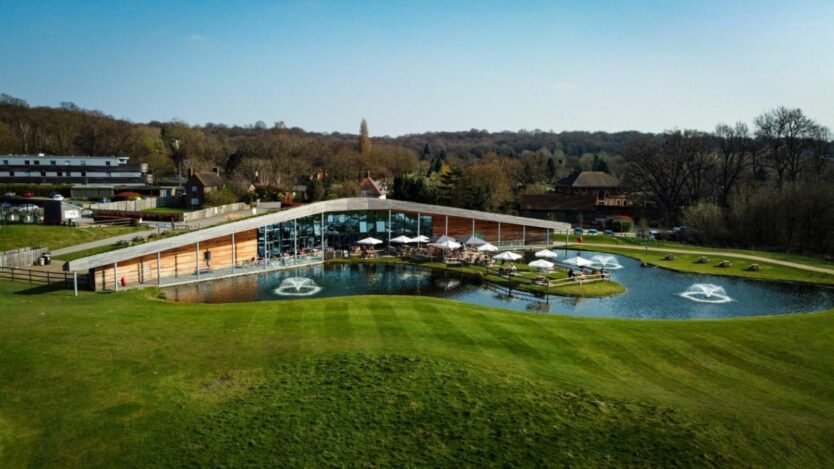
Jon Dummett shares how Glendale Golf is redefining the game through smart tech, flexible access and community-first thinking.
Glendale Golf saw a surge in tee bookings across its eight venues over the August bank holiday, with a 47% increase on the previous year.
For Head of Golf Jon Dummett, that headline-grabbing figure is just one part of a much bigger story. Behind the growth is a bold strategy to modernise the game, welcome new audiences, and position golf as a powerful antidote to the digital age.
In this exclusive Q&A, Dummett shares how his team is investing in course upgrades, embracing smart pricing, and championing the social and wellbeing benefits of golf.
From autonomous mowers to GPS-enabled buggies, the tech is impressive, but it’s the human touch that’s driving loyalty and satisfaction.
Major investments have been made across your courses. What feedback have you had from golfers?

We’re constantly upgrading and improving our courses, and golfers are definitely noticing! We’ve completed some major investments into our greens and tee platforms, focusing on better drainage and using upgraded machinery, including autonomous robotic mowers, to keep the turf in prime condition. We are also updating the tech in our driving ranges and added the innovative PACE GPS system to our electric buggy fleets.
The feedback has been fantastic. We constantly monitor our golfer satisfaction through NPS, and the response has been overwhelmingly positive. Golfers are telling us how much they love the improved quality of our courses, even with the more unpredictable weather we’re facing. It’s great to see our hard work paying off for them.
Can you expand on strategic green fee management, what that looks like in practice, and how it’s driving growth?
We use a smart, dynamic pricing system for our green fees, using real-time insights and market intelligence to adjust prices based on demand, which makes golf more accessible and affordable for everyone. This approach helps us meet demand and brings in a broader range of golfers.
How are you actively promoting the message of ‘swapping screen time for green time’ and how is it resonating with both new and existing golfers?
We’re all about encouraging people to enjoy the amazing health and wellbeing benefits of golf. In a world increasingly dominated by digital and AI, golf provides a much-needed antidote by encouraging people to disconnect from technology and reconnect with nature and each other. Our ‘Swapping Screen Time for Green Time’ message is a part of that. We’ve seen how much people, especially Millennials and Gen Z, are starting to truly value this aspect of golf.
It’s a sport that facilitates genuine social interaction and camaraderie. The long, unhurried pace of a round of golf provides uninterrupted conversation and laughter. Beyond the social benefits, golf offers a holistic approach to wellbeing by combining moderate physical activity with mental strategy, all while in a calming, natural environment.

You have suggested a ‘new and diverse generation of players’ are engaging with the game. What are you seeing in terms of demographics and behaviours from these new golfers?
It’s exciting to see a new, more diverse generation of players on our courses, who demand the same convenience found in other aspects of their lives (think Amazon, Netflix etc). They’re drawn to the social side of the game, but want flexibility. One of our key strategic goals is to make golf more ‘user friendly’. We’re finding that a growing number of golfers prefer pay-and-play options or our flexible Loyaltee™ plans over traditional memberships. Through initiatives like our Love.Golf and GoGolfing communities, we’re making sure we’re ready to welcome them all. It’s all about attitude – gone are the stuffy dress codes, endless rules and restrictive annual memberships. We’re excited to be part of a movement to change the future of golf, for good.
Your mission is to help people ‘try, learn, and love golf’. How do you measure success in achieving that beyond just tee time bookings?
While tee bookings are important, our real goal is to help more people try, learn and love golf. We measure success by tracking things like the growth of our flexible LoyalTee™ plans and how many participate in our newcomer coaching programs. We also pay close attention to repeat customers and reviews. It’s all about creating a community and an experience that keeps people coming back for more.
What role do frontline staff and managers play in shaping the golfer experience and supporting your wider strategy?
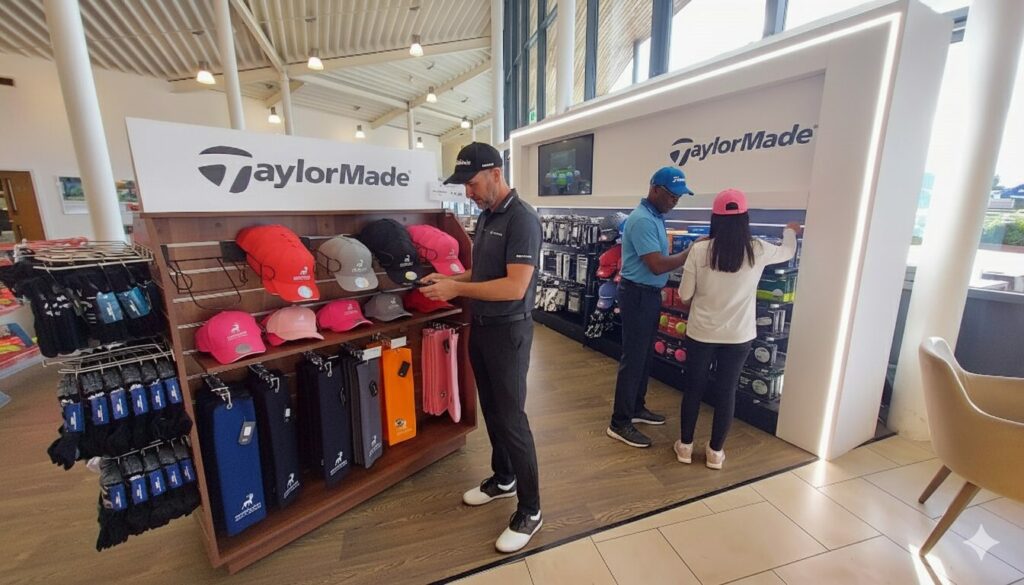
Our frontline staff and managers are the heart of our winning culture. They’re the friendly faces who greet everyone (from experienced golfers to the ‘golf curious’) and make sure every visit is a great one. Their dedication is essential to building the positive reputation and community that supports our entire growth strategy.
After such a strong summer, what’s next in terms of initiatives to sustain and build on this momentum?
After a fantastic summer, we’re going to keep the momentum going. We’ll continue investing in our courses, particularly in improving fairways and drainage so they can hold up all year round. We’re also expanding our LoyalTee™ and GoGolfing communities to bring more people into the sport. And of course, we’ll use the data we’ve collected to refine our future strategies and continue providing the best possible experience both on and off the course.
Key Takeaways
- Dynamic pricing drives accessibility & growth. Smart, real-time pricing strategies can broaden golf’s appeal and attract a more diverse player base.
- Experience is the differentiator. While technology enhances efficiency, frontline staff and personal service remain critical in building loyalty and community.
- Modernising membership models. Flexible, user-friendly options (such as pay-and-play or loyalty plans) resonate strongly with younger, more diverse golfers compared to rigid annual memberships.