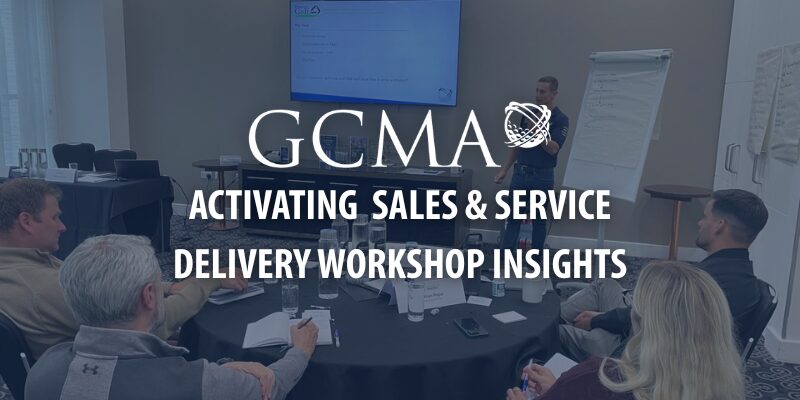
David Reeves of Promote People outlines strategic actions from AMP Sales & Service Delivery to drive success in 2025 and beyond.

Last month’s two-day workshop was all about practical strategies that drive sales and service performance across the golf club, including lead generation, retention strategies, tee sheet management to membership conversion and golf day sales.
Over the two days, we explored the building blocks of a high-performing golf operation and how each of these areas connects directly to the club’s overall financial health, and now’s the perfect time to start turning ideas into tangible improvements before the 2026 season.
Here are just a few quick takeaways from the hundreds of ideas we went through on the Sales and Service workshops.
Lead Generation
Membership, Golf Days and Functions sales doesn’t need to be complicated, but it does need to be consistent and accountable.
Quite often golf clubs will look for leads in obscure places whilst ignoring the low-hanging fruit, such as previous guest and visitor green fees, ex-members and function bookers. So much data to collect, but how robust are your club’s processes in collecting data?
Don’t be scared to market to these people because of GDPR, under legitimate interest you can so long as fair guidelines and practices are kept to.
Every club should know exactly where their leads are coming from, such as the website, social media, word of mouth, or on-site visitors and then track them.
Start by auditing your current process: how many enquiries arrive each week, and where do they originate? Assign ownership to a specific team member to review this monthly. Use your current members and guests as your most valuable marketing tool, a structured referral programme (even something as simple as a complimentary bottle of house wine or a sleeve of balls for a successful referral) can quickly generate enquiries. And don’t forget your ex-members; they’re already familiar with your product. A well-timed “We’d love to have you back” message, especially tied to a limited offer, can reignite their interest.
Membership Enquiry Process – Every Prospect is a Journey.
When someone enquires about membership, they’ve already made an emotional investment. Our job is to make that journey seamless from the first click to the first tee. Review your membership webpage: does it answer key questions (categories, pricing, joining process) clearly, and is there a strong call to action such as Book a Tour or Arrange a Call?
Next, look at how enquiries are handled. Is there a structured process for booking appointments, confirming them, and following up? A quick confirmation message and a friendly pre-visit call can drastically reduce no-shows and give the impression of professionalism. During the visit, take time to understand the prospect’s motivations this makes your price and category presentation more relevant. And after joining, the new member follow-up is so important, during the course in we discussed at length the new member processes a club can put in place to make the difference between a short-term and long-term member.
Membership Retention
The two-day programme explored Membership Retention also, which begins the moment a member joins and the most effective clubs build small, structured incentives that make members feel valued throughout their journey. According to the Harvard Business Review a 5% increase in retention = 25–95% profit increase. It’s much cheaper to keep a member or regular golf day than find a new one.
Golf Days & Events
Group golf is one of the most powerful revenue streams to top up Membership revenue a club has, yet many opportunities go unrealised through lack of structure. Begin by identifying your golf day types such as, societies, corporates, or casual groups then tailor your communication and pricing accordingly. Simplify the booking process like making it easy for organisers to pay deposits online, confirm numbers, and access menus or itineraries. Adding perceived value often costs less than discounting. Simple touches like a branded welcome sign, prize table and a proper meet and greet elevate the day’s experience. Keep an updated forward sales report to track confirmed and potential business and review it monthly.
Tee Sheet Management, Turn Availability into Opportunity.
Whether your club operates with or without booked tee times, utilisation is the key metric that underpins your revenue potential. Begin by calculating your tee sheet capacity and current utilisation rate this is your baseline KPI. From there, look for underused periods and build tactical promotions around them such as twilight offers, member-guest rates to fill quieter times.
The most successful clubs don’t just fill the sheet, they manage it proactively.
Bringing it All Together
If there’s one theme running through all of this, it’s knowing your numbers, reviewing your processes and outcomes. Every enquiry, tee time, or golf day represents both a customer experience and a revenue opportunity.
If you’d like to learn more or attend the next AMP Sales and Service course, the 2026 date available here.
By Mark Shanley