Ian McCairns shares hard-earned lessons on systems, communication and culture that help clubs grow commercially without alienating members.
Strengthening commercial performance in a members’ golf club is rarely about one big decision. More often, it is the cumulative effect of hundreds of smaller choices around people, process and communication.
Few understand that balance better than Ian McCairns, whose work at Coventry Hearsall Golf Club saw him nominated for GCMA Manager of the Year in 2025 and has now led him into consultancy.
For Ian, the starting point for sustainable commercial improvement is resisting the temptation to chase quick wins. Instead, he argues, managers should focus on building structures that endure, while taking members with them on the journey. That requires discipline, openness and a willingness to challenge habits that may no longer serve the club.
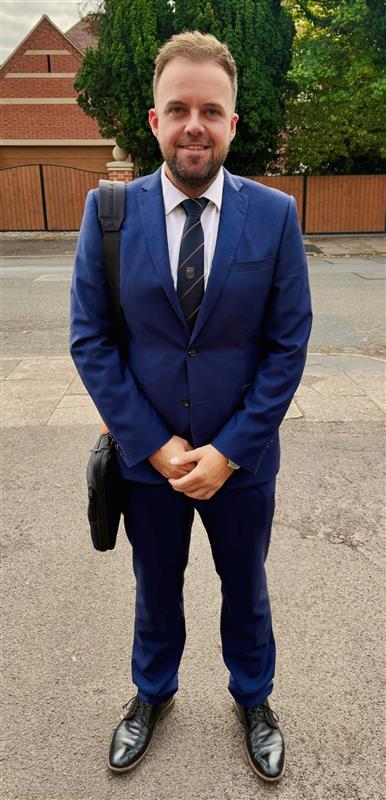
“Start with people and process,” he said. “Don’t chase short-term savings, build sustainable systems. Communicate openly, measure everything, and don’t be afraid to challenge the idea that, ‘it’s always been done that way’ (that saying makes my toes curl).”
At Coventry Hearsall, that philosophy translated into structured listening as well as structured planning. Ian points to the club’s annual member questionnaire as a practical example of how commercial and member objectives can align, rather than compete.
“Members will back change if it’s fair, explained, and delivered with consistency. And always reinvest visibly as when members see where their money goes, and loyalty follows.”
“A great example would be that at Coventry Hearsall, we sent an annual questionnaire to all our members that covers every area of the club, it is a chance for them to tell us how they feel and what would make being a member here better for them.”
Crucially, that data was not treated as a box-ticking exercise. Instead, it fed directly into both strategic thinking and day-to-day decision-making, including budgeting.
“With this data, you can build strategic and operational plans, that directly correlates to what your members want. Then when doing your budget, you use this data to make the improvement that they would like to see.”
Ian is realistic about constraints, particularly in an era of rising costs and stretched resources. Transparency, he believes, is what maintains trust when not every request can be met immediately.
“You won’t be able to do them all, but if you have a plan, communicate it well, you won’t go far wrong.”
Those experiences have shaped his next move: the launch of Ingentro Consultancy with business partner Gary Marshall. While food and beverage will form part of the offer, Ian sees it as only one element of a broader support framework for clubs.
“After spending the last six and a half years in golf management, I’ve seen first-hand how many clubs are struggling, but not through lack of effort, but through lack of structure, support, or modern business thinking.
“I’ve lived every part of it, the budgets, the staffing challenges, the fine balancing act between members, boards, and operations. I know how difficult it can be to run a club efficiently while keeping it personal and enjoyable.”
Ultimately, Ian’s message to GCMA members is a reassuring one. Commercial strength and member experience are not opposing forces. With clear systems, honest communication and visible reinvestment, he believes they can reinforce each other, leaving clubs more resilient, more trusted and better prepared for the future.
Key takeaways
- Prioritise systems over short-term savings
Long-term commercial strength comes from robust processes, clear measurement and a willingness to challenge outdated ways of working. - Use member feedback to guide decisions
Structured insight should directly inform strategy, operations and budgeting, with clear communication when not everything can be delivered. - Reinvest transparently to build trust
When members can see where their money is going and why, support and loyalty follow.