Governance, inclusion and investment are driving sustainable growth and attracting national recognition for Heysham Golf Club.
Heysham Golf Club offers a compelling case study in how clear governance, targeted investment and genuine community integration can future-proof a members’ club.
From drainage and path infrastructure that protect winter accessibility, to flexible membership categories and data-informed inclusion strategies, its progress has been marked by clear strategic thinking, and what’s more has earned Heysham lofty recognition in the Club of the Year category at the England Golf Awards.
Add in a structured women’s pathway, sustained schools coaching and the introduction of the Fore Get Me Not dementia café, and the result is a modern, resilient operation rooted in member value. President Lisa John outlines the thinking behind a model that other clubs and leaders can adapt to their own setting.
What was your reaction to Heysham being nominated for Club of the Year and what would it mean to win?
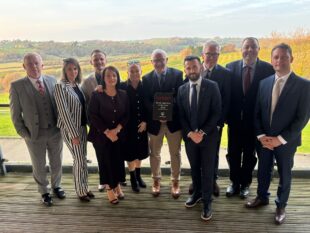
Everyone at the club was absolutely delighted to receive the nomination for England Golf Club of the Year. It is a remarkable achievement for a small club from the North West of England, long described as a hidden gem. Perhaps not so hidden anymore, as this recognition highlights everything we have to offer. The nomination represents the culmination of many years of hard work by our staff, volunteers and members, all committed to making the club central to the lives of its members and the wider community.
How have have you ensured that inclusivity remains central to decision-making rather than a bolt-on initiative?
We have developed a range of initiatives aimed at children, women and individuals living with dementia, as well as adapting competitions to support those who find traditional 18-hole white tee competitions challenging. This approach reinforces our core philosophy of accessibility and enjoyment for all. From a management perspective, inclusivity is a standing focus across all committees and boards, ensuring it remains at the forefront of discussion and decision-making.
Inclusivity has also shaped long-term investment in the course. As a low-lying parkland site with a clay substructure, winter playability had been a challenge. We looked at our ageing membership demographic and recognised that without providing access for all, numbers could start to decline.
We invested heavily in drainage and secured funds within the club’s budget for path building, ensuring that members who carry, use trolleys or require single-seater buggies can continue to play through the winter wherever it is safe to do so. Even when conditions require closure, a fully accessible short game area with artificial tees and greens remains available.
Additional works have created ponds for wildlife, a thriving moorhen population and a water store to supplement mains supply in times of drought. Improvements have been sympathetically considered to enhance, not detract from, the club’s character.
The Professional Shop team has engaged more than 500 local schoolchildren through coaching. How did that programme begin, and what has been key to sustaining momentum and impact over time?
The programme began by developing a relationship with our local school sports network, which organises sport across the area. That allowed us to become the first point of call for schools wanting to engage in Tri-golf, or Golfway as it is now known. The idea was simple: the more children who try golf, the more chance they will come to Heysham to learn further and eventually join as members.
We have remained consistent, offering a clear link between community sessions and what we provide at the club. The 500 children coached each year are not the same 500, so we are continually introducing new youngsters to the game. Saturday academy sessions operate across three groups with a flexible pay-as-you-go approach, progressing players towards handicap golf.
Many former juniors are now adult members, and the long-term revenue generated through sustained junior coaching is often understated by clubs.
Junior participation is clearly thriving at the club. What key advice would you give to any club looking to boost junior engagement?
Make sure your club is the one offering sessions in the local community. Create consistent coaching with a clear progression plan and build flexibility for new starters. Parents with busy lives will appreciate not being tied in at the outset.
Value should be attached to coaching rather than offering it for free. A sole Professional cannot deliver everything alone, so support from the club and volunteers is essential. Above all, see the bigger picture of the revenue and long-term membership growth that consistent junior engagement can create.
The women’s pathway has delivered strong participation and a significant rise in female membership. What lessons would you share with other clubs looking to build similar pathways successfully?
Using the Women in Golf Charter as a framework, the club has a five-year plan to actively engage women in the sport. It is driven by a small team working closely with the professional staff, with the Women in Golf champion sitting on the Board and reporting progress each month. The ladies committee ensures agreed priorities remain central to decision-making. This year we are trialling alternate day competitions to encourage the working lady.
Flexible membership options, including the 9-hole category, have broadened access. How important has flexibility been in attracting new golfers?
The membership options allow opportunities for people to be involved in the sport in line with their personal circumstances. Nine-hole memberships and the Gateway Programme provide an excellent entry point, as well as continued playing and competition opportunities for those no longer able to play 18 holes. It enhances, rather than detracts from, traditional membership models.
Heysham has developed a strong identity as a community hub beyond golf. How do social events, charity work and partnerships contribute to the club’s sustainability and relevance?
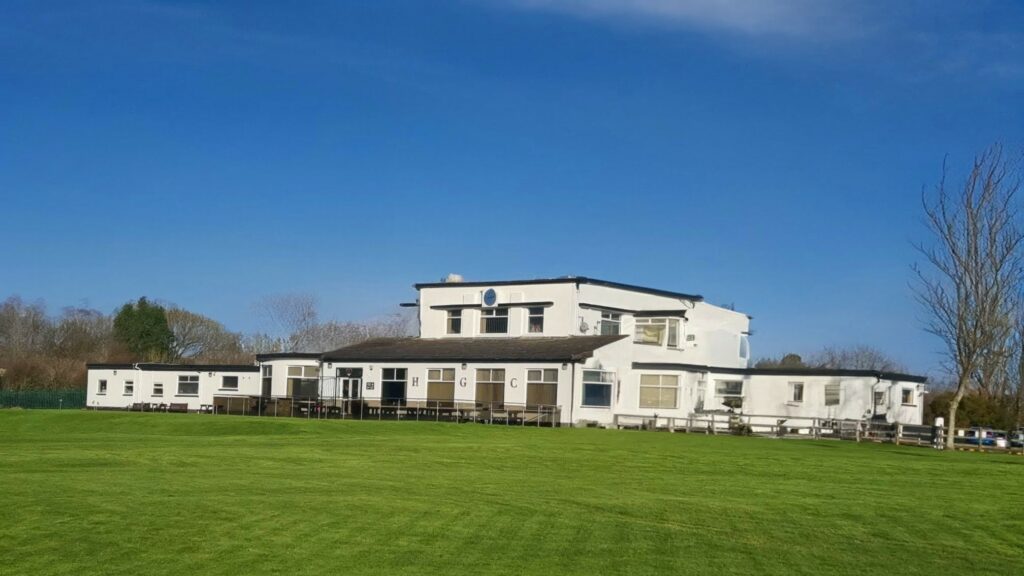
We have a large clubhouse that lends itself to a wide variety of functions and events. We must encourage members, visitors and new clients to use our rooms and services aside from golf.
We do not look at requests for help as obstacles but as opportunities. Someone attending a charity event or visiting as a carer may consider getting into golf through one of our schemes or hiring the room for their own event. The knock-on effects, including local media coverage, are reputationally enhancing, and we see ourselves as good neighbours within the community.
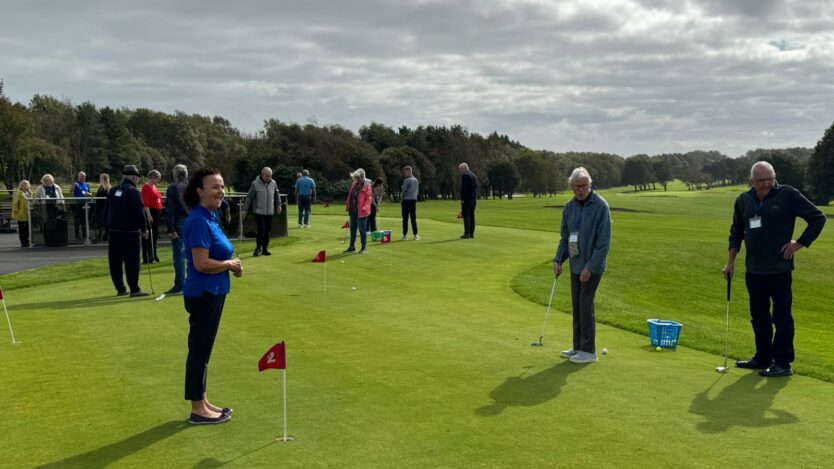
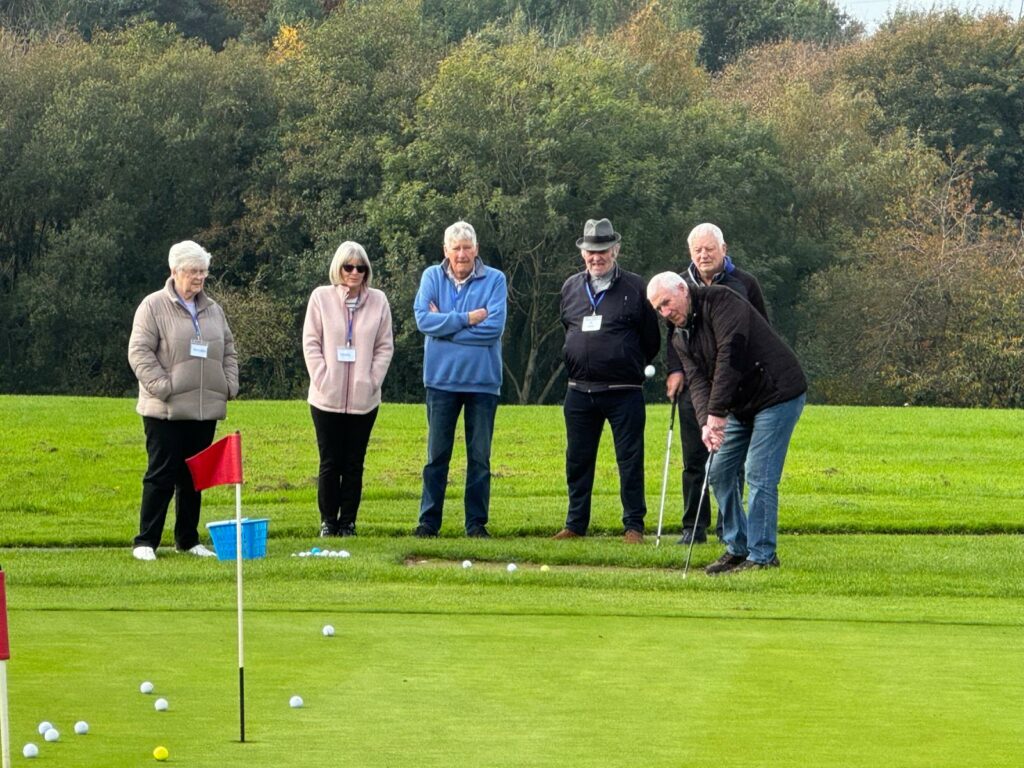
The Fore Get Me Not Golf dementia café may be seen as beyond the usual remit of a golf club. Why was it important to embrace this initiative?
There are just under one million people living with dementia in the UK, and it is the leading cause of mortality nationwide. Many members may have belonged to a club for over 20 years, only to stop playing due to dementia. We believe there is a moral obligation to continue supporting these former players and provide opportunities for them to rediscover joy through the game they loved.
Golf offers social interaction, problem-solving, physical activity and engagement with the environment, each proven to benefit people living with dementia. We are proud to be trailblazers in this area and hope others will follow our lead.
For fellow club leaders looking to modernise while remaining member-focused, what principles from Heysham’s journey would you encourage them to adopt?
Display strong leadership and be driven and passionate about the things you try to implement. If you don’t believe in the vision, no one else will.
Do not do things to your members but work with them. Use surveys to gather genuine feedback which can be turned into ideas within one-year and five-year plans. Be open and transparent when investing members’ subscriptions and justify decisions clearly.
Plan ahead for maintenance, greens and membership, and communicate successes widely. Celebrate achievements and make your membership proud to be associated with the club.