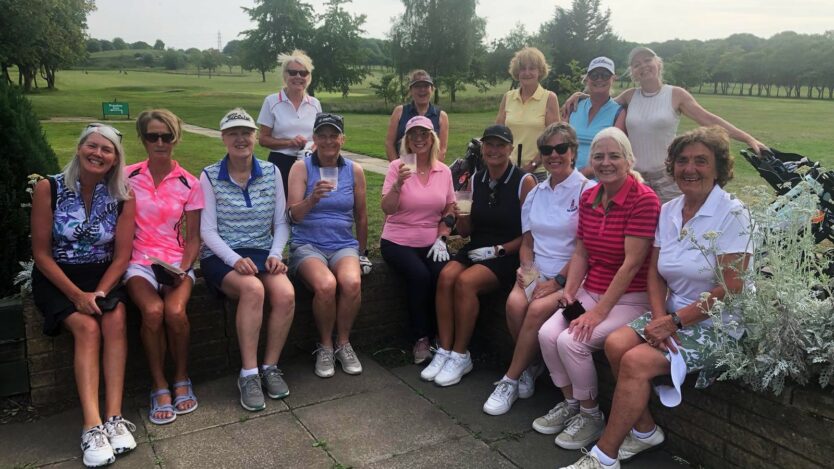
Boldon’s award-nominated strategy offers practical, transferable lessons for increasing women and girls’ participation sustainably.
Increasing participation among women and girls is an aspiration for many clubs, but at Boldon that goal translated into a clear plan of action that has now been recognised with a nomination for the England Golf Women & Girls’ Trailblazer Award.
Boldon’s Women’s Golf Development Strategy & Action Plan was developed by the women’s committee in collaboration with Club Manager Rio Jones. It began by identifying the practical and cultural barriers limiting participation, then aligning operations, behaviours and partnerships around removing them. The nomination is a marker of the progress the club has made.
Katherine Pearson, a member of the women’s committee, said the recognition had reinforced the club’s long-term commitment.
“Being nominated as one of three finalists for an England Golf Women & Girls’ Trailblazer Award is very exciting and a real honour for Boldon Golf Club,” she said. “For us, it validates our ongoing commitment to making golf more accessible, flexible and welcoming for women and girls. We recognise the positive physical and wellbeing benefits that playing golf can deliver and are determined to ensure more women and girls have the opportunity to benefit from them.”
First, the obstacles that needed to be removed were identified, namely perceived exclusivity, high entry costs, lack of confidence and inflexible formats. Success was defined in practical terms, with the goal of having more women and girls playing regularly and feeling confident enough to progress.
“The strategy was designed to reduce the barriers that can prevent women and girls from playing golf, including perceived exclusivity, high entry costs, lack of confidence and inflexible formats,” said Katherine.
“In response, we have taken direct action to reduce these barriers by offering welcoming, fun taster sessions for women and girls who are new to golf; starter coaching programmes that build confidence and skills step by step; and a clear progression pathway that is relevant to all golfers, whatever their skill level.”
That pathway did not stop at entry level, with competition structures reviewed to offer a range of formats across different days and times, while social play and informal competitions were embedded throughout the year.
“We also introduced a wide range of competition formats, scheduled at different times throughout the week, and created opportunities for social play and participation in fun competitions throughout the year,” said Katherine.
“Success means more women and girls playing golf and gaining the physical and wellbeing benefits that participation delivers.”
Four core values — Welcome, Support, Community and Progress — were adopted to guide delivery. The emphasis was on translating those values into visible behaviours rather than statements of intent.
“These values guide our day-to-day actions,” said Katherine. “Welcome means creating a safe, friendly and supportive environment. This includes having a visible, friendly presence so new members are personally welcomed, shown around and talked through the different ways they can access support and take part in the game.”
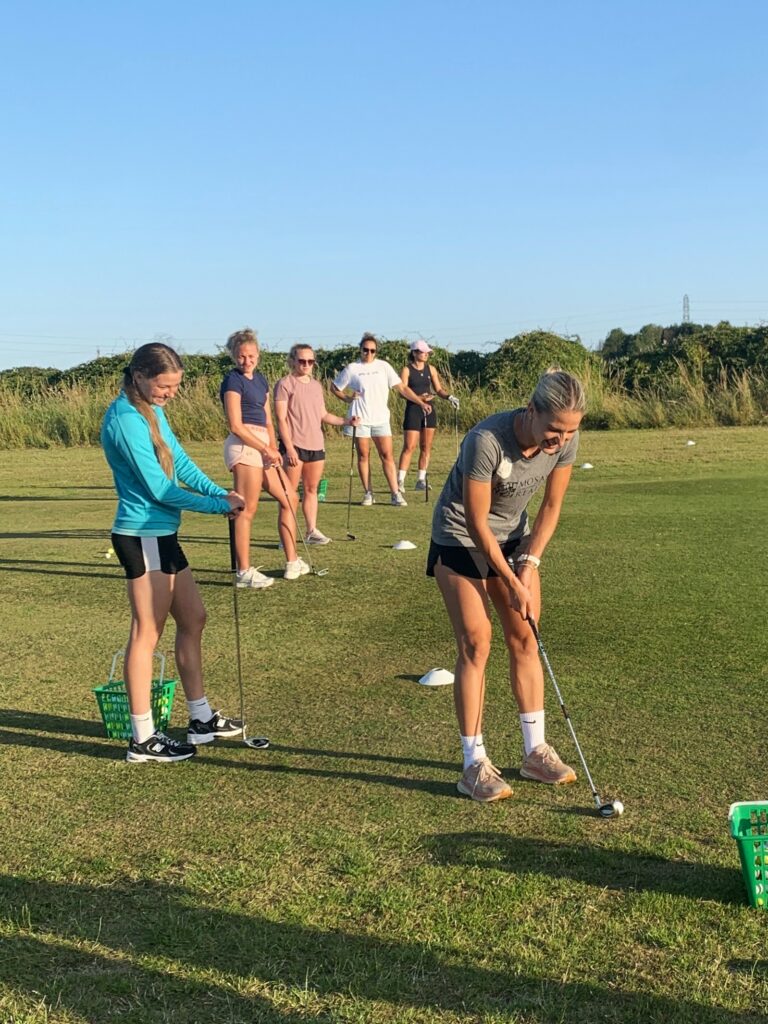
Support and progression were embedded through structured coaching, mentoring and clearly communicated next steps.
“Support means encouragement at every level,” said Katherine. “Our progression pathway ensures members have the support they need to develop their game in ways that match their ambitions. Progress means growing skills and confidence at your own pace, supported by a clear pathway so participants always know what their next step could be.”
Free half-day taster sessions were promoted locally, including to women active in other settings and those already using the driving range. Equipment was provided and the sessions were deliberately social in tone. Follow-on coaching was offered at both midweek and weekend times.
“We focused on making the very first experience friendly, social and practical,” explained Katherine. “For those who wanted to take the next step, we offered follow-on starter coaching sessions at both midweek and weekend times.
“This helped women and girls begin building the confidence and core skills they needed to progress onto the course. In both instances, we provided equipment and personalised support to ensure everyone’s interests and needs were met.”
Representation played a central role in building trust. Feedback consistently highlighted the reassurance provided by female coaches and buddy systems, particularly in the early stages of engagement.
“This was incredibly important,” said Katherine. “We knew from feedback from new and existing members that having a female coach made them feel less pressured and more at ease. Having female coaches and female buddies helped normalise women playing golf, build confidence and trust, and reinforced that golf is open and accessible to all.”
Where that resource is limited, the advice is to start internally, as Katherine explained: “Start by identifying and empowering the women who are already part of the club.
“Even a small number of visible female members can make a significant difference if they are encouraged and supported to act as informal ambassadors or buddies.”
Partnership working extended the strategy’s reach and a collaboration with Sunderland AFC Women was built around shared wellbeing priorities and supported by innovation funding from England Golf. Alignment of objectives, defined commitments and regular feedback were key to effective delivery.
“As with any new partnership or stakeholder relationship, the first step was to understand where our strategic interests and ambitions aligned,” said Katherine.
“Securing innovation funding from England Golf was also crucial, as it helped open doors and provided a low-risk, no-cost starting point for the club. Regular check-ins and feedback from the players and coaches during the programme helped us refine the programme as it progressed.”
Key Takeaways
- Start with clear diagnosis. Identify the specific barriers within your club and respond with defined, practical actions.
- Translate values into behaviours. Ensure welcome, support and progression are visible at every touchpoint.
- Build aligned partnerships. Seek shared objectives, secure commitment and review delivery regularly to sustain momentum.