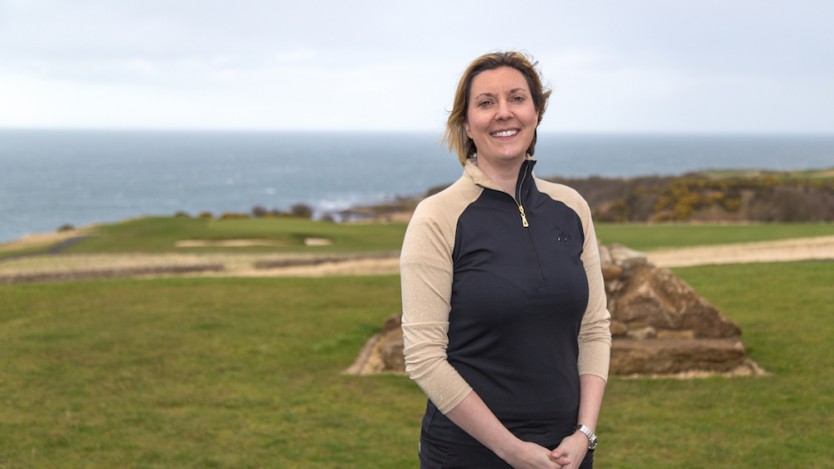
Appointed Fairmont St Andrews’ director of golf, spa and leisure in January, Amy Yeates is one of the highest profile women working in the golf industry. GCMA communications manager Mike Hyde caught up with her to talk spa treatments, agronomy and fitting in at St Andrews.
How are you finding your new role?
It’s great. It really is the best job in the world, it is so diverse and constantly evolving. You can have days where it is all reporting, forecasting and budgeting – very much with an analytical and accountancy hat on.
You can have days where it is very operational, where you are helping out the team with checking in golfers, spa treatments or making sure the changing rooms are clean and tidy. You can have one day that’s very much office based, strategising new concepts to push your business forward, or another which is spent with each member of the team talking about their career development and next steps.
Fairmont St Andrews
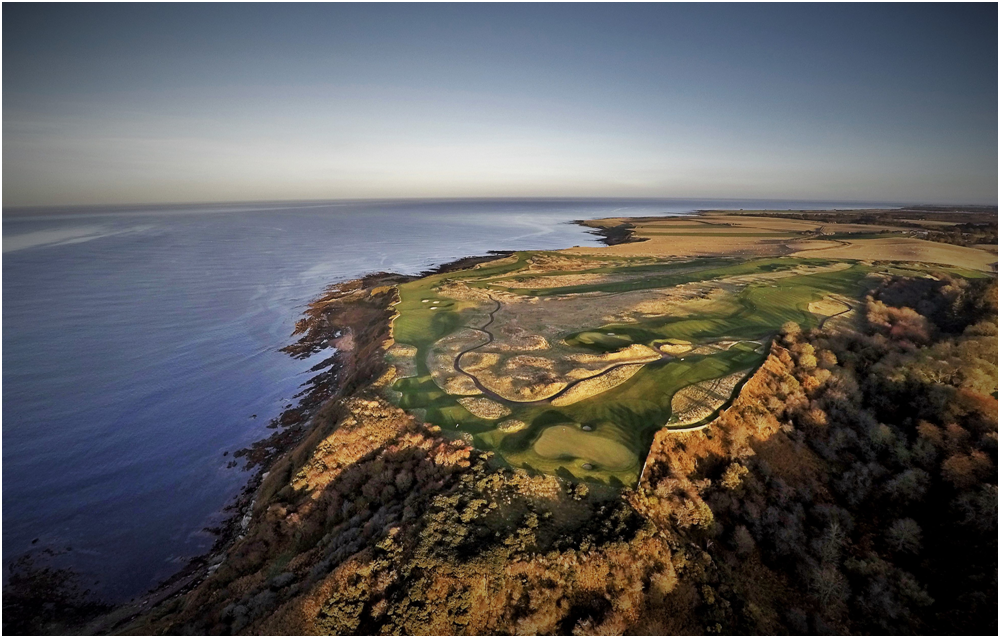
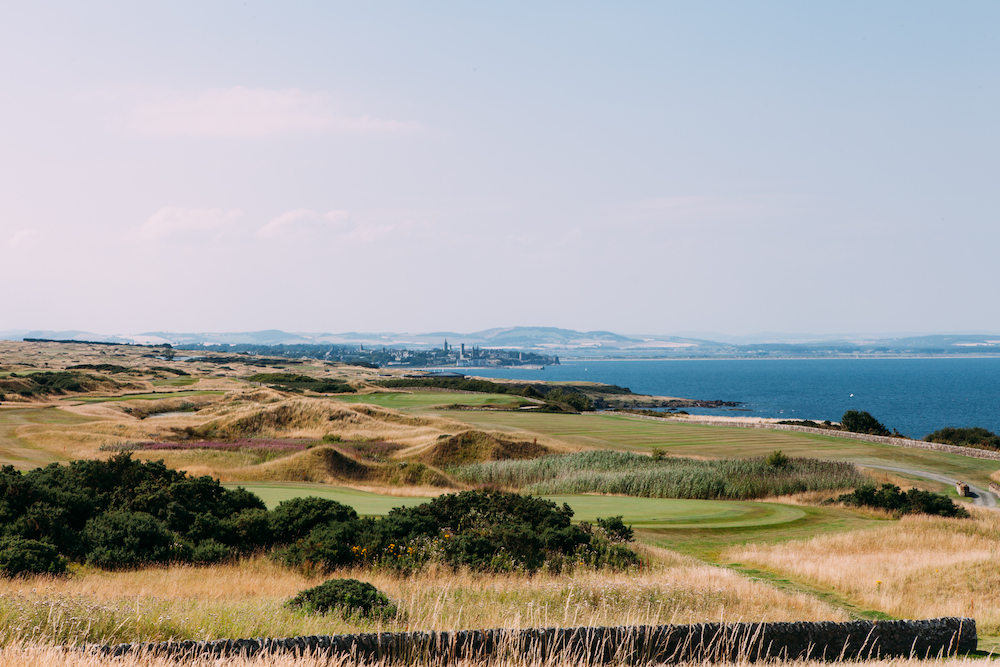
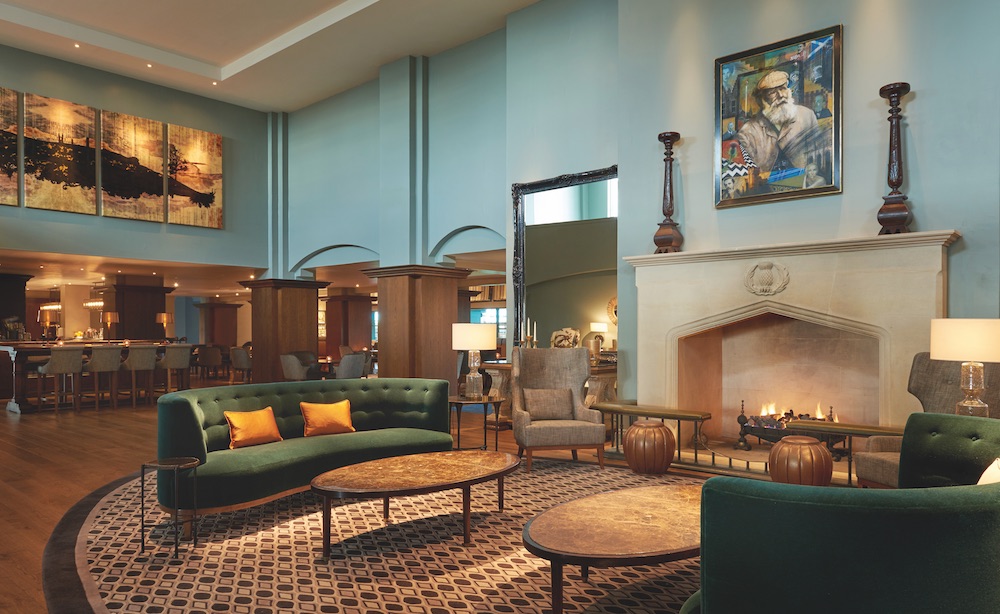
The wonderful clifftop setting across the bay has seen this world leading resort become a magnet for players visiting the Home of Golf. The 2002 Ryder Cup-winning captain designed the Torrance course, while the Kittocks is home to some of the most beautiful holes in Scottish golf. The five-star resort is spread over 520 acres and has 209 luxury guest rooms, along with varied dining experiences and a spa which includes a swimming pool, sauna, steam room and Jacuzzi.
As a general manager, you focus on pretty much every possible area you could think of, which means you have to be able to wear lots of different hats on a daily and even hourly basis.
I’ve approached my new role exactly the same way I approached the golf business when I joined the company in 2015. I looked at it and asked ‘What does it need? What sales and marketing do we need to do? How does it survive? And most importantly how will it grow?’
It may surprise many people to know that St Andrews is notoriously a very difficult market to compete in, especially during winter months. You really have to fight hard for the local market. We almost have to work our hardest in the winter months by launching lots of initiatives and advertising them heavily via digital marketing. Last winter we ran a five round accumulative Stableford competition which cost £125 to enter but each participant got five rounds of golf, entry to the competition and preferential guest rates. We advertised this solely through Facebook – spending £300 – for which we reached over 50,000 people who were a very targeted demographic. We had over 120 golfers enter generating over £15k.
When the summer comes around you don’t see the local golfer as much as they return back to their home clubs and the tourist tap turns on. You are then able to hold strong for higher rates and your focus turns to delivering an exceptional five-star service with a strong focus on retail initiatives and upselling service items such as golf boards and buggies. It really is a game of two halves which needs two separate business plans.
It’s a lot of work for one person. How do you spread the load?
I’m a big advocate for giving projects to my team. I have six full- time golf operations and eight spa and leisure staff and each of them have numerous business changing projects. A large proportion of my time is spent supporting and overseeing their projects to ensure the business moves forward and they are continuing to learn and develop.
“We have two female team members and I was saying to them – now is the right time to be a woman in the golf industry”
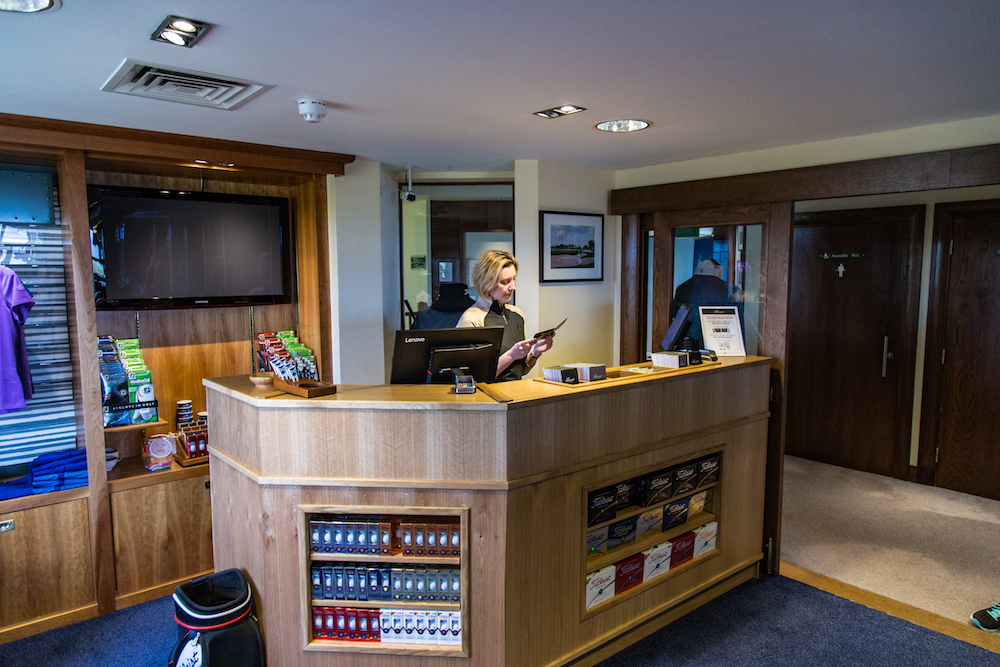
For example, we currently have a team member on her placement year from Bournemouth University. Based on her areas of interest, she has been given golf retail as her main project. Part of this project included the re-design of the golf shop, which she had complete autonomy and responsibility for. This included designing a practical counter, communicating this to a local carpenter, managing the project based on the allocated budget and, most importantly, implementing the carpet, electrical and counter changes in the correct order with minimal effect on the business. She has done all of that herself and the outcome both in the shop and her development is absolutely fantastic.
My role was simply to check in with her every week or two weeks and coach her with open questions to get her to the solutions rather than telling.This is so much more powerful than simply giving your team members a list of things you need them to do. The most satisfying part of my job is watching each member of the team learn and develop from their projects.
You also look after agronomy?
Yes I do, however I am lucky to have a very experienced superintendent (Neil Ballingall) who has been here since the property opened in 2001. We take regular course walks together and ensure we focus on specific areas of the course each time. We meet regularly to ensure his spending is on budget and the right procurement processes are being followed. When something goes wrong, when a tractor breaks down, Neil and I will sit down and say ‘what’s our best course of action on this?’, taking into account the course and the business.
Although I am not significantly involved with the agronomy I believe the success of a good general manager is to ensure you give each area of your business some attention.
How do you make sure you are in a position to have the expertise in all these areas?
When I started as director of golf, I made sure I physically worked each shift that our team members are expected to work including buggy cleaning, golf shop and drinks buggy. I even did a few shifts with the greenkeeping team. Unfortunately, I’m not trained to deliver spa treatments but since looking after the spa and leisure departments I have worked on reception, in the leisure team and been a spa host. I do these shifts so I know how it feels to be a receptionist when 40 golfers turn up at the same time and are queuing out the shop or how tiring it is to constantly squeegee the swimming pool. I feel like I understand their frustrations.
“It may surprise many people to know that St Andrews is notoriously a very difficult market”
There are so many managers who don’t quite know what those frustrations are. What are their niggles? Is the dishwasher working? Is the drinks buggy too noisy? Is the computer too slow? It’s having that relationship with your team so they know they can come to you at any point and say ‘Amy, we need 20 buggies for a group that’s just decided they wanted them.’
Right, I’ll drop what I am doing and go and get it. When you understand your team’s frustrations you know what to focus on to really make a difference to your team’s happiness which, in turn, will improve business.
The resort is run by Troon Golf. How is your relationship with them structured?
It’s one of the reasons why I am here. It’s a great relationship. We use their expertise and they have got so much data and so much best practice to lean back on. I have full access to that. They have a really great intranet so any director of golf at any of their properties can log on and it’s got anything from job descriptions, to the tried and tested halfway hut menus, to the best way to get people to sign up to reward schemes. It’s a really positive relationship. They are always on hand and they are a brilliant sounding board. That’s probably the biggest thing that a general manager always needs.
In May 2016, we launched a flexible membership system. Prior to doing that, it was great to talk it through with the Troon Golf team. ‘What problems do you think that might cause? Is there anything you think I have missed?’
What is the relationship like with the town and do you have any relationship with the other clubs down there?
When I first moved up here, I was really surprised at how friendly everyone is. In the south, at a previous club I worked at, if we needed buggies or extra rental clubs from neighbouring clubs we would have to pay for them. I was fully expecting that when I came up here but the surrounding clubs are super helpful. If you need buggies – no problem – as long as they don’t need them. They are very helpful and I have had a really good experience since being up here.
Who is Amy Yeates?
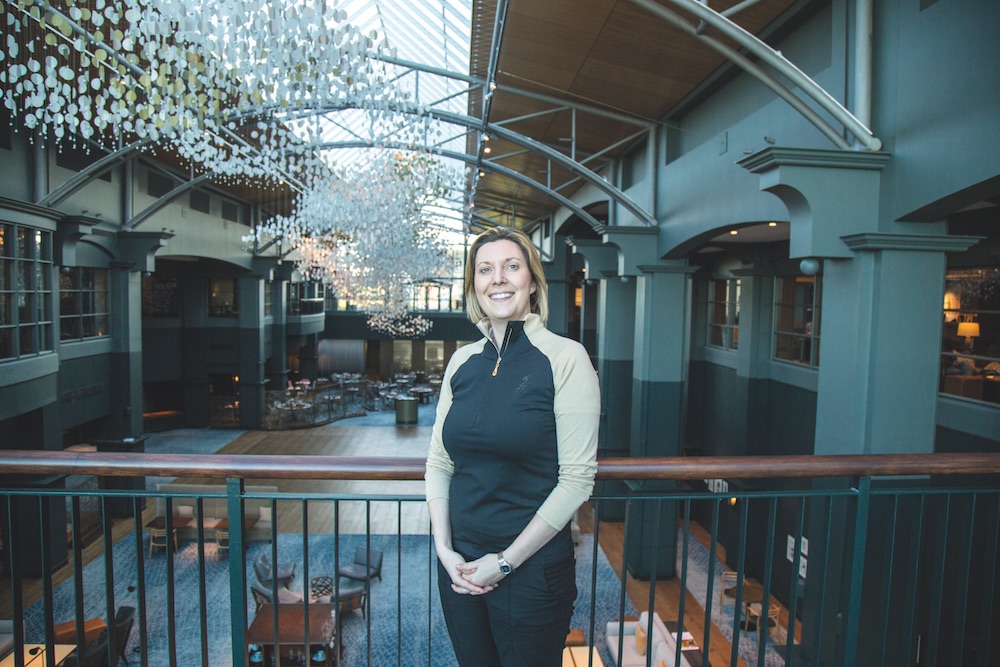
The only female PGA professional in St Andrews, Amy began her career at The Belfry following a BA in Sports Management. She worked as a tournament co-ordinator at the 2008 Ryder Cup, at Valhalla. A spell as business development director at Mannings Heath followed, along with some time at the Old Course Hotel & Spa in 2010. Having moved to the Goodwood Estate as assistant manager, she joined Fairmont St Andrews in 2015 and was promoted to director of golf, spa and leisure at the start of this year.
Four of the members of the Fairmont board are women. What are your thoughts about that?
A lot of people ask me about women and business and ask if I feel we are being discriminated against or ‘It must be difficult working in a man’s world.’ We have two female team members and I was saying to them – ‘now is the right time to be a woman in the golf industry.’ It’s just brilliant because everyone is really acknowledging that women have a place in industry, in management, on executive committees.
It’s all about getting the right balance. I don’t want it to go the other way. I wouldn’t want us to have an all female committee because I think men and women bring different things to the table, just as it’s important to have different personalities in each team. But it is great to see that we have got a nice balance. We haven’t actively gone out and said ‘we want more women on the board than men.’
Do you get to play much golf?
I do. I have turned into a fair weather golfer, I must admit. I probably wouldn’t see my clubs until April and even that can be a bit cold up here. In the summer, I try and get out there every two or three weeks.
I think that’s important, to go out and play, particularly, your own courses. You don’t have to go out and play the whole course all the time. It is important to go out and see what the product is. You need to experience it for yourself. Even if it is just grabbing a buggy and getting out there and playing three or four holes, that’s what you really should be trying to aim for.
The biggest thing I do is a walk around. You’ve got to make sure you take a step in every part of your facility. That’s what I religiously do. I might not always come up with something to be done after that walk. That’s a good thing. I would probably every day have some sort of walk around but, I have to say, the golf team are in a position now where they can just run themselves. That’s the utopia, I think. I’ve got to a position with the golf team where I trust all of them and they all have their projects.
That’s probably the biggest learning curve for me as a manager. You had to get to a point where you felt trust and confidence that your team could get on with big projects and not to micro-manage them. Sit down with them, spend an hour or two telling them what you want them to do, making sure they understand it and then just let them get on with it. It just takes such a weight off your mind – because you can’t physically do everything – and that’s the biggest thing I am learning now when taking on the spa. When I first inherit a business, you tend to get a bit more micromanagement into it. You get a bit more stuck in, you get a bit more involved. Then you can slowly start to come back.
This interview was first published in The Golf Club Manager – the official journal of the GCMA. If you would like to receive the journal, either join the GCMA today, or subscribe to the magazine.
By Mike Hyde