
SafeGolf has been in the headlines and Matthew Draper, England Golf’s club, county and membership senior manager, explains how it will protect the sport
It revealed the horrors of sexual abuse in football. The Sheldon Report, released in March, spanned 700 pages – and was an indictment of how predatory abusers had run unchecked from the grassroots game through to some of the biggest clubs.
The document also laid bare the historical paucity of measures in place to protect children – and that should be a wake-up call for all of sport.
For golf would be naïve to think it was somehow clear of such concerns.
“Safeguarding issues can arise anywhere in society,” said Matthew Draper, England Golf’s club, county and membership senior manager and a GCMA member.
“Golf is not immune to that, and golf clubs are not immune to that.”
SafeGolf, the partnership of golf bodies committed to promoting a safe and positive environment for anyone that participates, works or volunteers in the sport, hit the headlines recently after England Golf sent a letter to affiliated clubs warning those who had failed to make sufficient progress on gaining required accreditation that they could face disciplinary action from the governing body.
The angry reaction from some club managers to the email, and the familiar cries of ‘there’s no problem here’ from some golfers on social media, threatened to mask the overall aim of the scheme.
SafeGolf was introduced in 2018 and England Golf made achieving accreditation a mandatory requirement of affiliation in December 2019.
But it’s a process that largely happens behind the scenes, with committees, managers and welfare officers handling the nitty gritty of ensuring their club complies.
Golfers may have seen the certificates showing a club has the necessary procedures in place, and educating them about what to look for if they fear there is a safeguarding issue at their club, and what to do about it, is a really key element.
And this is where, at England Golf, the hard yards of work are being done.
“It’s making sure that, should the worst happen, there is education so people know exactly what to do should an issue arise,” added Draper, who is in charge of the SafeGolf programme for the governing body.
“That means the volunteers that are on hand, or the staff at golf clubs, know how to spot a safeguarding issue.
“What we want to do, through SafeGolf, is create a consistent set of policies and procedures across the country that we know are in place.
“It means that should something happen at any of our affiliated golf clubs, the people on site handling it know exactly what to do, the reporting process to England Golf or, in the worst-case scenario, the authorities such as the police.”
That’s achieved through education – either of volunteer welfare officers or staff that might be in contact with children or vulnerable people on a regular basis.

They attend a Safeguarding Protecting Children Course, while welfare officers may also visit Time to Listen sessions to help them understand the kinds of situations they may come across.
“Most safeguarding issues aren’t obvious,” explained Draper. “It could be something from home that you picked up. It could be a child saying something that pricks your ears up.
“It could be anything, but these courses help people identify where there may be an issue in place and when they may need to do more investigation.
“They may need to make the club welfare officer aware, they may need to make England Golf’s safeguarding team aware.
“But the process is in place within the policies to make sure that should they hear something, should they have an inkling about something, should they have a concern, they have a direct route of reporting and they know exactly what to do.”
When safeguarding appears in the news, we naturally tend to assume these are issues of sexual abuse. But SafeGolf goes much further.
Its mission is also to protect the welfare of adults at risk, as well as children and young people, and, as Draper pointed out, that applies to all of us.
“It could be anyone who suffers from a mental health issue. It could be anyone that’s vulnerable to people preying on them. Unfortunately, there are types of abuse where people may prey on vulnerable adults. It could be to extract finance from them. Abuse happens in many different circumstances.
“So this does involve everybody – all members of golf clubs, anyone who plays golf, anyone who visits a golf club. Anyone could be susceptible to some form of abuse.
“What is important is that, through SafeGolf, people will be able to identify it better and know exactly what they need to do when reporting.”
Only together, believes Draper, only when everyone in the game is protected – and every club has these standards – can golf be confident that the kind of scandal unveiled in football won’t be replicated.
And seeing that SafeGolf logo should give members and visitors confidence that those correct policies and procedures are in place.
“It doesn’t work, as a project, unless every golf club is there. You can’t have a missing link,” he said. “You have to make sure that everyone has the consistent level policies and procedures in place.
“We want everyone to enjoy their golf club life and have environments they can thrive within.
“The most important thing is they’re safe. Golf clubs are people’s second home. We want to create fun environments where people want to spend every minute that they’re not working or every minute they are not at school.
“The first point in doing that is making sure the environments where they are going to play, or socialise, or however they use their golf club, is safe.”
How SafeGolf is working for Fulford
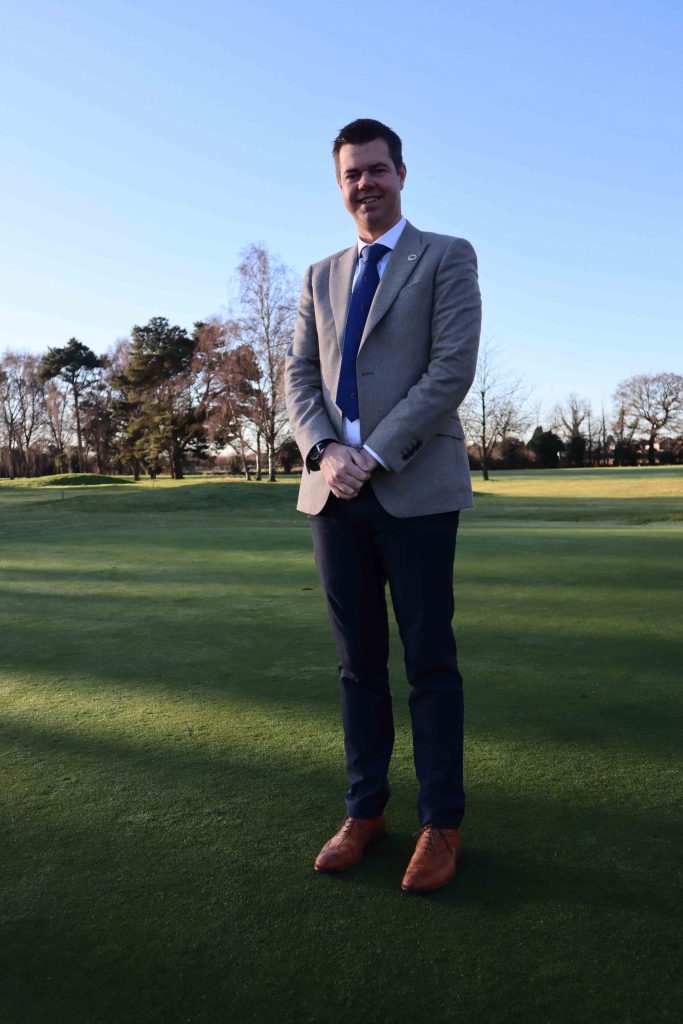
Fulford Golf Club general manager Jon Dry has spelled out the importance of achieving SafeGolf accreditation and explained how England Golf staff were on hand to help his club every step of the way.
The Yorkshire venue has joined the ranks of clubs across England who have shown their commitment to providing a safe and secure environment for all staff and visitors to their facility.
Through SafeGolf, Fulford have standard and robust procedures in place to not only safeguard children and at-risk young adults, but also all staff and visitors who come through their doors.
SafeGolf accreditation has now become mandatory for all clubs and counties wishing to affiliate to England Golf.
And for those clubs who have registered for SafeGolf and are working to attain full accreditation, Dry is able to offer words of encouragement as they face what may, on the face of it, appear to be an onerous task.
“When I first saw what was required to achieve SafeGolf, it was a little daunting but after a very helpful call with our club support officer, I had a clear pathway for what was required,” admitted Dry.
“This process can then be broken down so everyone can play their part.
“The constant support throughout the process made something which was initially daunting, actually very simple and straight forward.
“By gradually ticking off all of the areas which need doing you have a clear understanding of what is required and also why.
“A huge benefit, is that now, we can continue to update or information and keep on top of the various areas, ensuring we maintain our accreditation, offering a safe environment for all.”
Safeguarding has always been important, but England Golf has now moved to make sure it is embraced by all clubs and counties by making it a term of affiliation from today onwards.
Most clubs will have had safeguarding procedures already in place. SafeGolf helps to raise and standardise the levels.
At Fulford, Dry found that he was able to use existing policies to make a start on SafeGolf.
He also found support from England Golf’s club support network, as well as downloadable resources such as the simple ‘six steps to SafeGolf’ video, invaluable.
Fulford have long recognised the importance of safeguarding and Dry has explained why it has formed such an important part of their club ethos.
He added: “Ensuring you provide a safe environment to play golf is a top priority for any club manager.
“Every club wants their members and visitors to come and play, safe in the knowledge that everything is place for them to be able to relax and enjoy their visit.
“The SafeGolf accreditation is a matter of pulling together all of the documentation that you should already have.
“The staff and volunteers involved in these areas should all have their DBS and SPC in place.
“SafeGolf provides a process which a club manager can use to check that everyone’s paperwork is up to date and current.
“Looking outside of just junior golf makes sure you are covering the safety of all players and communicating these policies effectively with your members and visitors.
“By achieving SafeGolf I can prepare the club for the season, safe in the knowledge that we have the right measures and processes in place. That is a very good re-assurance to have!”
Do you subscribe to the GCMA’s weekly E-newsletter? Make sure you’re not missing out on the latest in the world of golf club management. Click here to join in.