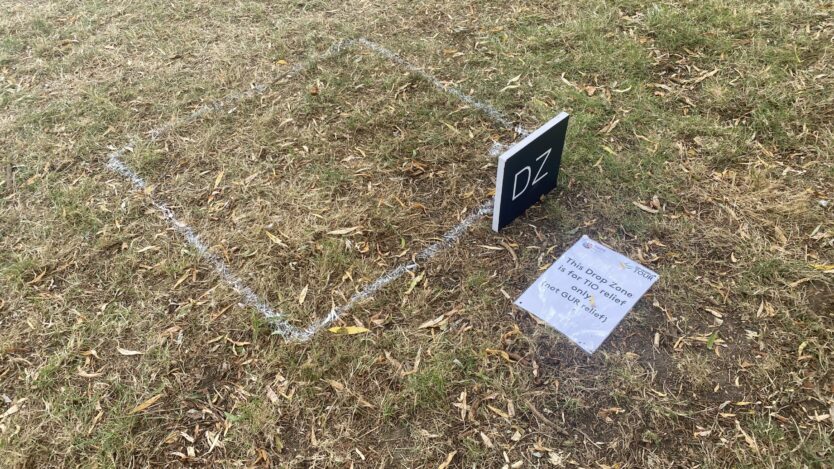
What is their purpose and how should they be positioned? Here is everything you need to know about drop zones
This article is part of GCMA Insights – topical content for golf industry professionals, discussing the things that matter to those who work in golf clubs.
What are drop zones and where can they be used?
Drops zones are special relief areas that can be provided by committees. They can be used to give players another relief option. They are established in Local Rules and often found where there could be issues using the usual relief procedures outlined in the Rules of Golf.
They can be considered where there might be practical problems with abnormal course conditions, wrong greens, dangerous animal conditions, penalty areas, unplayable balls, or temporary immovable obstructions.
Committees can require that a drop zone be used – making it mandatory. That supersedes any of the other relief procedures that would normally be available when taking relief, with the exception of stroke-and-distance.
It’s imperative that mandatory drop zones are clearly communicated to players – through use on the scorecard, email notification, or through locker room noticeboards – to ensure they are not unknowingly picking up penalties.
Get involved in the debate.
To join the GCMA, click here, or to organise a call with a call with a member of the GCMA team, just complete the form below.
How should they be positioned?
The Committee Procedures found in the Official Guide to the Rules of Golf and on the R&A website say competition organisers “should attempt to place a dropping zone so that the architectural challenge of the hole is maintained, and it is typically not closer to the hole than where the player would be dropping the ball when using one of the options under the relevant Rule”.
This is why you might see drop zones in some unusual places, such as at the recent British Masters where they were placed on slopes close to the famous 10th hole on the Brabazon course.
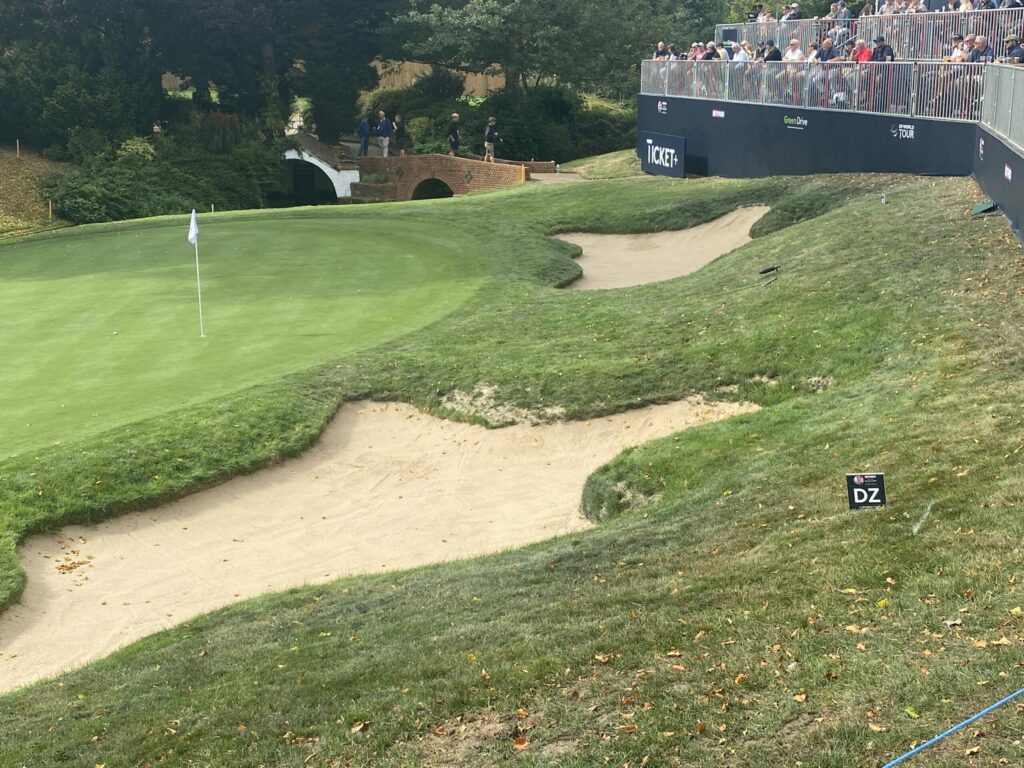
That was designed to deter players from attempting to get easy relief from a grandstand. It maintained the severity of the shot they may have expected to face had the temporary immovable obstruction not been in place.
Another example involves drop zones for penalty areas, where the guidance suggests they should be “set in a position where the player would still need to negotiate the penalty area rather than being located on the putting green side of the penalty area”.
So when a player finds a penalty area on a hole where water plays a prominent role, they are still required to hit the ball over that water after taking relief.
WHY JOIN THE GCMA?
Membership of the GCMA unlocks a network of like-minded professionals, provides you with support in your professional and personal development, and provides you with a multitude of benefits. Whether that’s the tools that will help you to excel in your profession, or a wide range of services to support your wellbeing, signing up to the GCMA is joining a community.
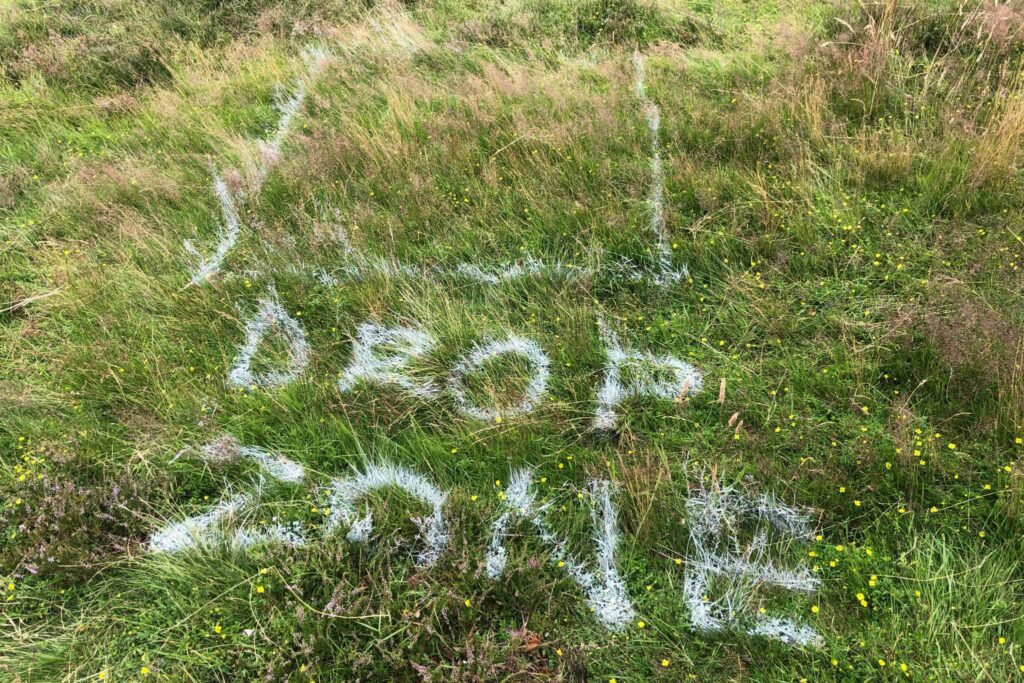
How should drop zones be marked?
There are a variety of ways – stakes, signs, even tee markers – but it is normally done with painted lines on the ground.
Drop zones can also be any shape, though they will most often be circles and squares. When they are painted, the letters ‘DZ’ or the word ‘Drop Zone’ should be sprayed to let players know their purpose.
They can also be various sizes, but how big a committee wants a dropping zone to be should largely be dictated by how often it is expected to be used and where it is found.
Normally, though, the committee procedures say it would be “about a one club-length radius or similar”.
If clubs expect a drop zone to get a lot of action, the guidance advocates marking it by defining an area in a Local Rule.
“For example, the dropping zone may be defined as being within one club-length of a physical object such as a sign or stake.
“This allows for the object to be moved as needed to ensure the dropping zone remains in good condition.”
This article is part of GCMA Insights – topical content for golf industry professionals, discussing the things that matter to those who work in golf clubs.
Insights Signup
"*" indicates required fields