How do you keep staff engaged and committed to the business? Colin Mayes, chief executive of Burhill Group Limited, outlines his company’s innovative appraisal and survey systems and tackles the thorny issue of casuals.
The customer may always be right but no business – whether it’s a golf club or a bank – can succeed without good staff.
Appointing people can often be the easy part. Finding the right staff for your business and then keeping them dedicated to your aims and objectives can be a challenge. It’s tough enough when you are a small concern but, if you’re a company the size of Burhill Group Limited, it can be a huge issue if not tackled correctly.
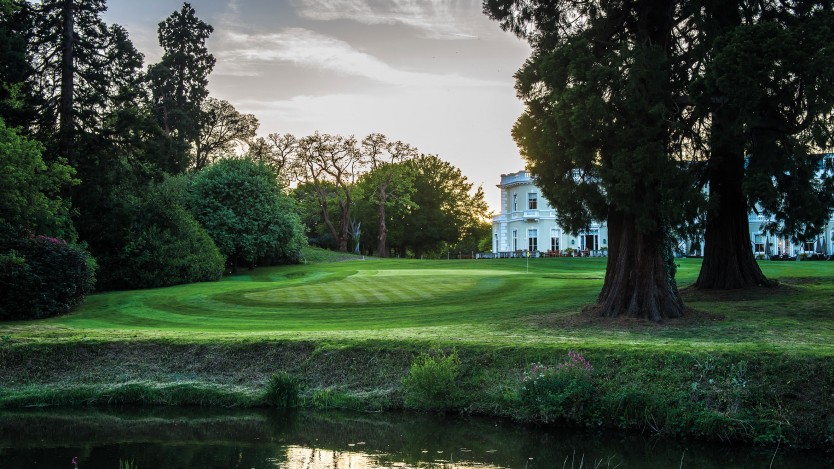
With 600,000 rounds played over the course of a year at their 10 centres, Burhill are one of the UK’s largest owners and operators of golf courses. They employ hundreds of people and they all strive towards the same definable goals – no matter which centre they work at.
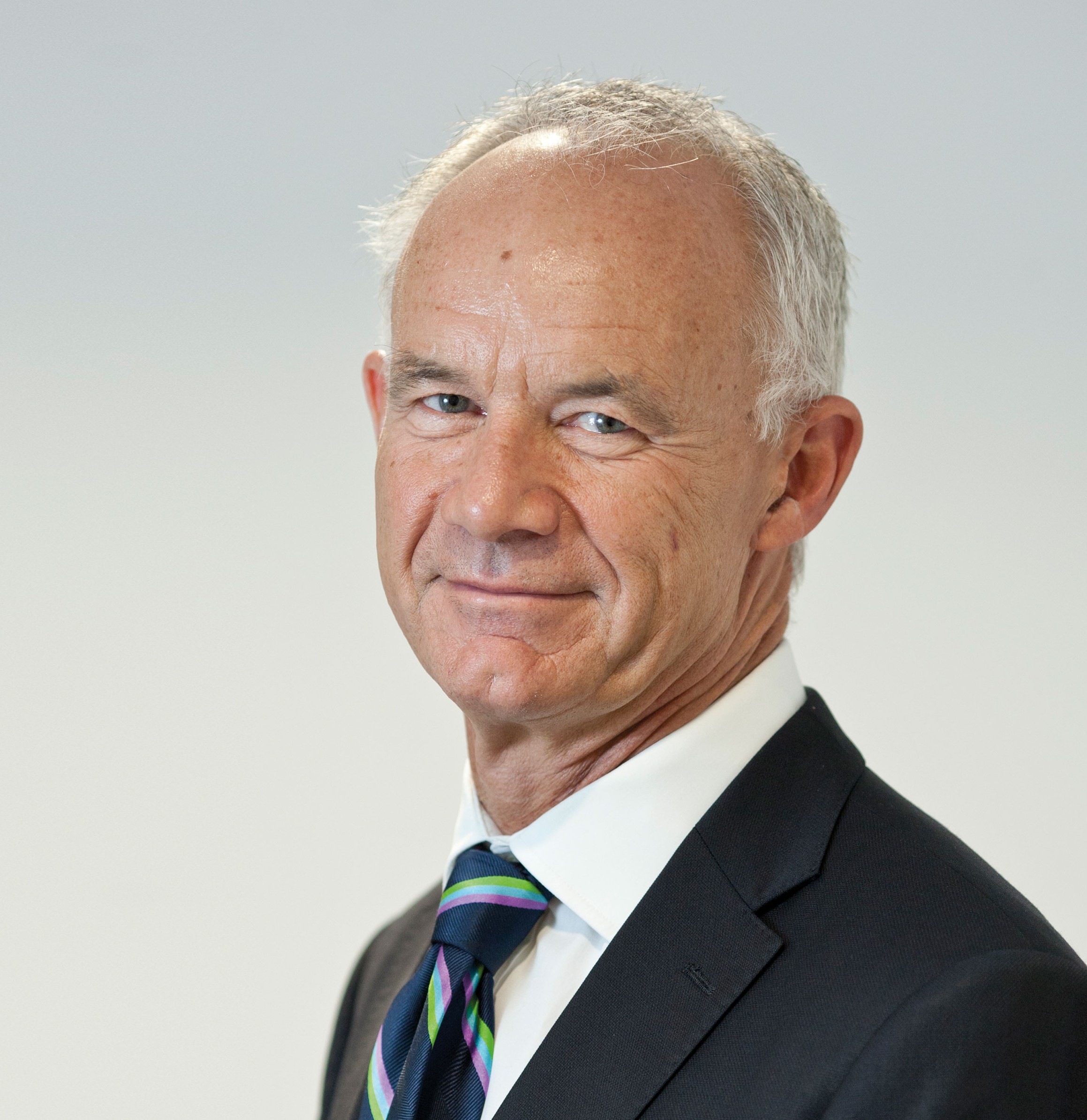 “We’ve got some fantastic heads of department and some fantastic employees,” said chief executive Colin Mayes. “We’re fortunate to have some really good people.”
So how is that done? How does Mayes keep his varied teams all pointing in the same direction?
It’s achieved with an innovative appraisal system, which is designed to be a positive experience – rather than the meetings of misery that some can become. That’s backed up with a once-a-year detailed staff survey that encourages employees to think deeply about how they see their roles and the support they are given by the company.
“New staff are given a job chat within a month of starting with us, to see whether they are enjoying it and if there are any elements of training they need further support and help with,” explained Mayes.
“We have a half yearly job chat about performance and whether they are meeting their objectives and what their training needs are and we do it again at 12 months.
“So in effect, there are two formal talks that go on that are documented in terms of what people are doing well, where they need to improve and what further help and assistance we can give in terms of training requirements moving forward.
“That’s the bones of the appraisal system. We do try and treat it as an opportunity for both sides.
“We do pride ourselves on having quite an open culture. We don’t hide things but we try and make it a positive experience.
“I am a great believer in making sure staff know what is expected of them. If people know what is expected of them they will generally try and raise their game to do what they think their job is.
“Staff don’t get out of bed saying ‘I’m going to do a poor job’. They get to work and they might have had an experience with their supervisor, or somebody else, that has influenced how well they will perform that day.
“It is our job to make sure that when they get to our business they know what is expected of them and if they’ve had a bad start to the day they shake that off and start their day with us.
“It’s no easy task but that’s what we try and do.”
If you’re not confident about the way workers are engaged, or feel about the business, then the results of an annual staff survey could be enough to send you cowering to the safety of the office.
Burhill’s survey asks more than 40 questions and probes employees about their experience with the company. Are they given enough support? Do they get enough training and equipment to do their jobs properly?
It all adds up to, what Mayes calls, a “killer question” at the end. Would they recommend a friend or family member to work at Burhill?
Describing the process, he added: “We survey our staff in the summer. Like any business, we have a seasonal affect and we do employ a lot of university students and casuals during the summer months.
“We judge the level of participation. I think 74% of all the staff, both casual and full-time, filled the survey out in 2017.
“That’s pretty good. Anything over 60% is superb. The reason that is important is because you want the staff to be engaged enough to feel ‘I want to share my views, whether they are good or bad’.
“We ask them about whether they would recommend us and it’s pretty close to 80% recommendation, which again is very high. We can always do better and we challenge the managers and raise the benchmark for the scores every year. We’ve been doing it about four years now.
“It identifies issues. It tells us things we need to focus on, whether it’s feedback or making sure we give people a pat on the back.
“It’s good positive feedback for the general managers and the results of the surveys get fed back to the staff.
“We issue them in our newsletter and so nothing is hidden. We encourage the general managers to sit down with the staff team every year after the survey to say ‘these are the areas that have been raised and this is what we are going to try and do about it’. So they know that something is happening.”
As Mayes indicated, casual and summer employees form a vital part of his peak summer workforce – as they do in many clubs.
It’s a challenge, he admits, to find the best people to fill those berths but Burhill use a number of mechanisms to recruit temporary staff who will fit in well with the company ethos and values.
“We let our members know and a good source of recruitment comes from existing members – their children and grandchildren.
“We use quite a few of the colleges around our golf clubs wherever we can. We talk to the college lecturers. When things get really tough, sometimes you have to rely on agencies to provide some staff. We just try and make sure we pick the best agencies to work with – where we have to.”
Burhill’s general managers are also encouraged to act quickly if they have an underperforming casual member of the team but Mayes believes the requirements laid down in the recruitment of casual staff often brings the right results.
“You’re looking for people with a positive attitude and a little bit of a service culture. They need to be in tune with trying to look after people.”
“We want people that engage with and talk to customers and try and make sure they have a good time. It’s the ability to engage that is probably the single most important thing. A lot of the rest of the stuff we can train.
“Some are smart enough to recognise that golf clubs are full of interesting people, reasonably well educated, and quite a lot of them are well connected.
“Our customers are not stupid as well. When they see a good member of staff, they will talk to them, find out what they want to do.
“If you have got a bright, young person who can engage, they can meet some pretty interesting people.”
BGL Golf
Burhill Group Limited was founded in 1926 with the prestigious Burhill Golf Club, in Surrey. The company entered the play and play market with Hoebridge Golf Centre in 1982 and BGL Golf now have 10 properties throughout the UK.
They are one of the UK’s largest owners and operators of golf facilities, seven of which are play and play and three are more traditional clubs.
The BGL Golf vision is to “offer great destinations for every golf and leisure occasion” with the aim of providing accessible and affordable golf to players of all abilities.
Who is Colin Mayes?
Colin Mayes is the CEO at Burhill Group Limited and has been in the role since 2006. He has held a number of high profile jobs in the hospitality trade since starting as a management trainee at Forte Plc in 1972.
He’s worked for Holiday Inns, Forte Hotels and Old English Inns during a wide-ranging career and is currently the chairman of the UK Golf Course Owners’ Association, a position he has held for eight years.