Berkhamsted is embarking on a forward-looking masterplan that will blend course restoration with ecological stewardship.
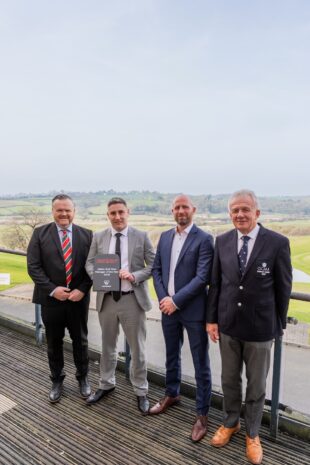
Berkhamsted General Manager Dan Blesovsky is guiding one of England’s most distinctive golf clubs through a landmark project to protect its heritage, enhance its ecology, and strengthen its position for the future.
As Berkhamsted approaches a century since its last significant enhancements, the Hertfordshire club has commissioned a course masterplan that will futureproof the venue while retaining its historic splendour.
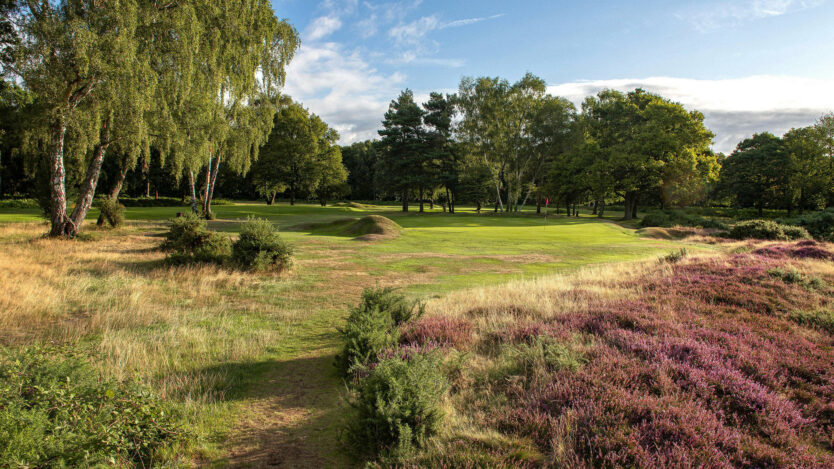
Founded in 1890 and consistently ranked among England’s Top 100 courses, Berkhamsted is renowned for its natural heathland challenge. It has never relied on bunkers, instead using heather, gorse, and rugged mounding to test golfers. Its place on Berkhamsted Common means the course is closely intertwined with its environment, and the balance between golf and ecology is central to the club’s long-term identity.
To create the masterplan, the club has appointed Clayton, DeVries & Pont (CDP), the internationally respected golf architecture practice. Frank Pont will lead the work, collaborating with Course Manager Scott Gardner and the club’s committees. Together, they will review the course’s design and ecological health, with a focus on enhancing playability, restoring natural features, and reinforcing Berkhamsted’s unique character.
“CDP is world-renowned for its work at some of golf’s most venerated old masters, and we are thrilled that we will now be able to draw upon their experience as we make our plans to safeguard this much-loved golf course for the decades ahead, with our stewardship of the beautiful ecology up here on Berkhamsted Common uppermost in our minds,” said Blesovsky.
“In 2026 we will celebrate 100 years since our golf course was last altered significantly, and over the decades club officials have striven both to maintain the authenticity of the natural aspects of the challenge which our golf course presents, and also to respect the fine designs which our great triumvirate of golf course architects – Park Jr, Colt and Braid – all implemented here at various points in Berkhamsted’s lifetime.
“We are particularly excited at the prospect of working with CDP on restoring Harry Colt’s original vision for the golf course. The changes at Berkhamsted have been driven by nature over the years, particularly as regards our famous mounds, rather than by man’s hand.”
Among the most important ecological priorities will be the regeneration of heather. Once a defining feature of Berkhamsted, large swathes were lost when the land was used for military training during World War II. Restoring these habitats will strengthen biodiversity, restore visual distinctiveness, and enrich the strategic challenge for players.
While the course already enjoys a strong reputation, hosting the prestigious Berkhamsted Trophy each spring, the traditional start to the UK amateur season, the masterplan is about more than maintaining competitive status.
Blesovksy added: “Working with CDP we feel that a well-managed Berkhamsted Golf Club will be able to maintain the highest level of competitive challenge for the decades ahead of us through a programme of restorative change, rather than merely resorting to lengthening the golf course significantly, which we don’t feel will be needed.”
Three key takeaways for Golf Club Managers:
- Strategic masterplanning protects heritage. Acting before problems emerge allows clubs to preserve their authenticity while adapting to modern demands.
- Ecology is a core priority. Restoring natural habitats such as heathland strengthens biodiversity and enhances playing strategy.
- Professional leadership makes the difference. With a GCMA member at the helm, Berkhamsted shows how strong management underpins credible, future-proof change.