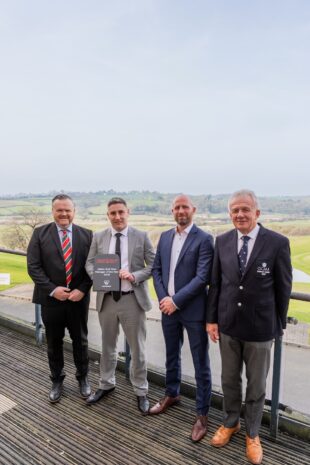
The Devon club’s engagement with The R&A’s Golf Course Biodiversity Project underscores its commitment to sustainability.
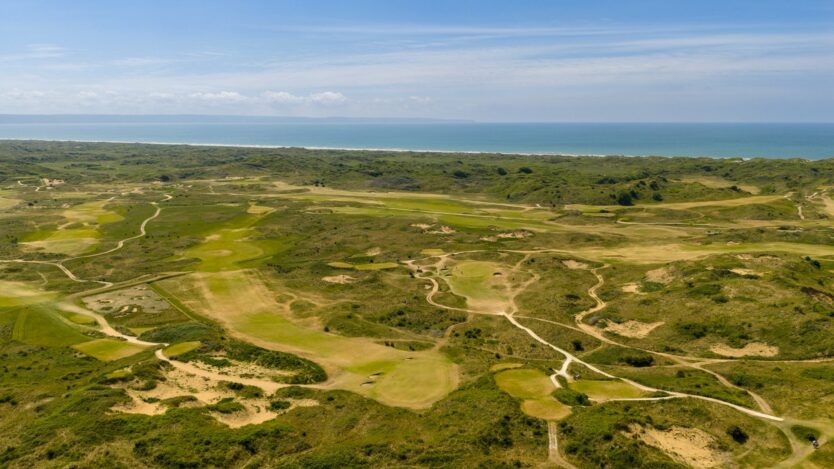
Nestled within the Braunton Burrows dunes of North Devon, Saunton Golf Club is more than just one of England’s premier links venues.
Located within a Site of Special Scientific Interest (SSSI), a Special Area of Conservation (SAC), a UNESCO Biosphere Reserve and an Area of Outstanding Natural Beauty (AONB), the club has embraced its role as an environmental steward.
That commitment saw Saunton selected among the first cohort for The R&A’s Golf Course Biodiversity Project, a five-year study designed to measure and demonstrate the ecological value of golf courses. The club also recently hosted The R&A’s course manager sustainability forum and has already achieved GEO certification.
“We always wanted to produce world-class courses in harmony with the local ecology,” explained General Manager Jon Sutherland. “We’re really conscious of the site we sit on with its various protected designations, and that we wanted to always be sensitive to that. So that’s been a big thing for us.”
The R&A project began at Saunton in 2022, with surveys across habitats ranging from dune grassland and slacks to scrub and hedgerows. Already, 237 species have been identified on site, 35 of which are protected or notable.
“Golf courses are often seen as being bad for the environment, but the complete opposite is true,” said Sutherland. “The project is about dispelling that myth.”
The surveys have highlighted populations of skylarks, reptiles and even a rare microscopic snail. “When ecologists come on site, they’re amazed at the variety of species we have here which they don’t have just across the fence,” added Course Manager Murray Long.
Such work has not gone unnoticed. England Golf nominated Saunton for the Sport and Recreation Alliance’s Going Green Award, which the club won, and The R&A brought major championship venue managers to the club to showcase its environmental initiatives.
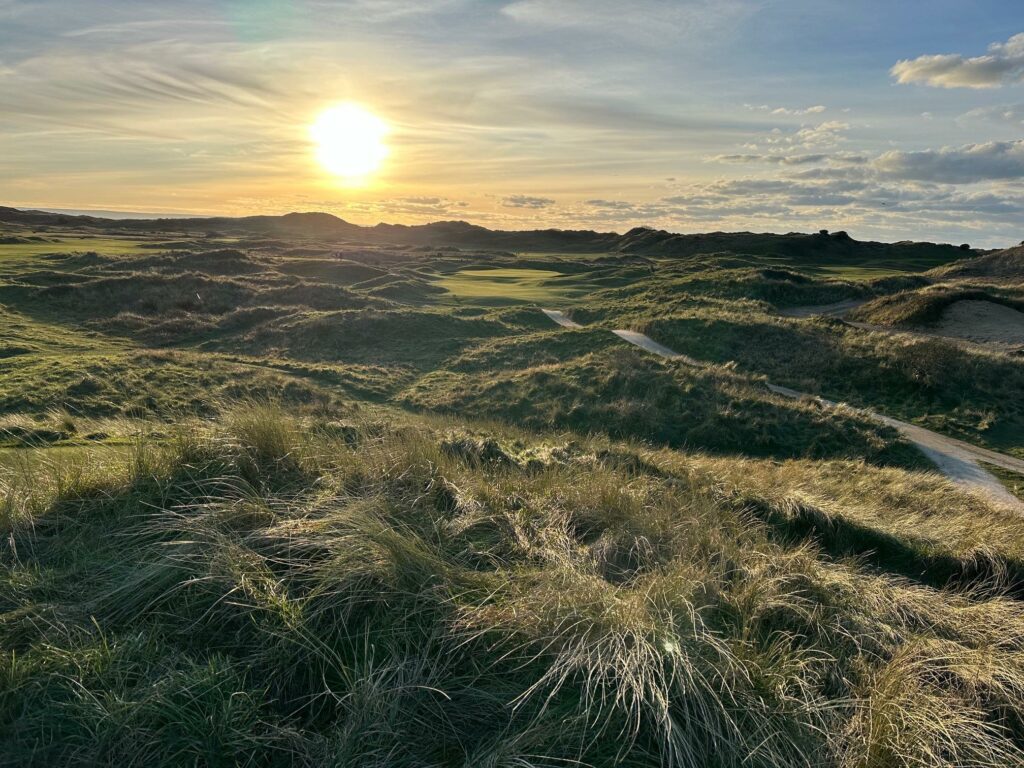
While biodiversity sits at the heart of the project, Saunton’s sustainable approach extends far wider. Energy is sourced from a 100% renewable supplier. Solar panels already power facilities, with more planned as the club transitions from hybrid machinery to a fully electric fleet. EV charge points are available, while upgrades to the greenkeeping compound have been designed to support further solar installations.
Water management is a central part of Saunton’s sustainability strategy, reflecting the club’s broader philosophy of using resources efficiently while maintaining top-quality playing conditions.
“We’re about to embark on installing two more boreholes so we will get access to water without relying on the mains,” said Sutherland. “That’s going to be a huge benefit to us.”
Moisture sensors and weather stations ensure irrigation is used only where and when needed. Long stresses that sustainability does not mean compromising quality: “It’s not about ‘low input’ – it’s about the right input, reducing leaching and run-off. Grass species and fertilisers are being developed that need fewer resources but still provide excellent playing surfaces.”
Other innovations include an on-site turf nursery, eliminating the carbon footprint of importing turf and enabling the team to trial drought-tolerant species in partnership with seed suppliers. Bunkers are being naturalised, reducing the need for intensive revetment work.
From the outset, the club has recognised that clear communication with members is vital to the success of its environmental initiatives. Over the past two years, Saunton has undertaken a series of capital works, including clearing invasive scrub, creating sand scrapes to improve habitats for ground-nesting birds, and providing basking areas for sand lizards and other reptiles.
“We’ve held various members’ open meetings to explain the work we were undertaking, why we were doing it, and what improvements it would bring,” said Sutherland. “We basically held our members’ hands through the process, ensuring they understood the benefits of each change.”
Long explained that contextualising the work historically helps members appreciate its purpose. He said: “It’s easy to see scrub being cleared and think it’s destructive, but by showing historical photos from 50 years ago and beyond, and explaining how we’re letting better species flourish, members can see it’s restoration, not removal. A year on, the work looks so natural people hardly notice, which is exactly the outcome we wanted.”
The club has also established a biodiversity and sustainability working group, led by member Nick Thorley and supported by a small number of staff members and club members, including Josh Tucker who is producing videos and social media content to highlight the wider environmental benefits of golf.
Sutherland believes Saunton’s progress is rooted in alignment between leadership and the greens team.
“Any good organisation needs its senior management team working towards the same goal,” he said. “For us, the financial model and Murray’s work on course presentation go hand-in-hand. One supports the other.”
Long agreed: “The relationship is vital. It allows us to move the club forward in all areas, and it’s good to see that respect growing across the industry between general managers and course managers.”
Key takeaways
- Sustainability enhances quality
Smart resource management—like drought-tolerant grasses, moisture sensors, and electric machinery—reduces environmental impact while maintaining top-tier playing conditions, proving sustainability and course excellence go hand-in-hand.
- Leadership and member engagement matter
Aligned management and greens teams, plus clear communication with members, ensures sustainability initiatives are understood, supported, and integrated into both club strategy and culture.
- Measurable biodiversity drives recognition
Documenting ecological value through surveys and partnerships demonstrates positive environmental impact, builds credibility, secures awards, and positions the club as a leader in golf course biodiversity.