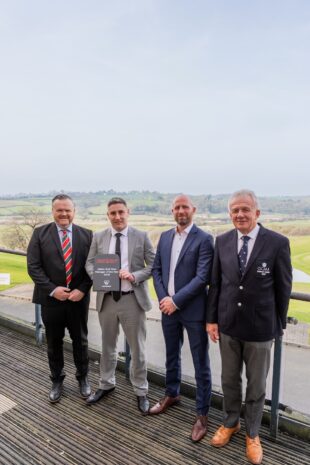
General Managers are well placed to ensure clubs are focused on the bigger picture, says David Shepherd.
David Shepherd has spent his career ensuring the clubs he works maintain a focus on long-term objectives. Now Chief Executive at The Wisley, he argues that the decisions made today – especially on investment, staffing and infrastructure – are the ones that shape a club’s resilience for decades.
Speaking at his breakout session at the Golf Club Management Conference and Exhibition, he highlighted how easily boards can drift into short-termism, often with the best of intentions but with unintended and expensive consequences.
Clubs that chase supposed short-term ‘wins’ often find they have merely created problems further down the line. Shepherd was clear that managers often understand the risks better than anyone else; the real challenge is helping boards and committees see them too.

He believes General Managers have a responsibility to lead those conversations. Many boards contain successful people from outside golf who simply haven’t seen the medium- and long-term implications of operational decisions.
As Shepherd put it, managers are the ones who have to explain the real cost of deferring machinery replacement, postponing capital works or underfunding essential maintenance – because if they don’t, no one else will.
His message was ultimately optimistic. With the right tools, clarity and confidence, GMs can shift their organisations away from short-term fixes and towards lasting strength.
The six tactics he shared are designed to help managers communicate that bigger picture and win support for decisions that protect their clubs long after they have moved on.
- Lead with facts
Use data to show long-term risk of short-term choices – “If we defer £80K this year, it may cost £250K in three years.” Managers may fear members will walk away if prices rise, but if you’re honest and provide clear and transparent explanations, you will keep people onside.
- Tell a strategic story
Frame your case within a narrative: where the club was, where it is now and where it wants to be. Link every step to the club’s vision and outline what happens if investment is delayed. A clear, relatable story gives directors and members the language they need to share the plan with confidence.
- Pre-align
Ensure all key stakeholders are aligned before meetings. Have 1-on-1s before board or committee meetings. Understand their concerns, shape how the message lands, and reduce ‘meeting surprises’. The groundwork happens outside the boardroom: explaining calculations, risks and reasoning so that support is secured in advance.
- Educate without undermining
Many board and committee members come from other industries and they’re generally very capable people who may just need help to understand club management. It’s the manager’s role to explain the operational realities behind figures and proposals. When investment in areas such as irrigation or servicing is questioned, draw parallels they understand so they see why annual reinvestment matters. By presenting clear information without condescension, you enable informed, responsible decisions.
- Shift from cost to legacy
Move the conversation from short-term cost to long-term legacy. Reframing projects as preserving standards and delivering member value helps boards see their role in leaving the facility stronger for the next generation. Consider how future managers will view today’s decisions: were they courageous and responsible, or the easy way out? Thinking in legacy terms encourages boards to back what is right, not just what is cheap.
- Offer clear options
Structured trade-offs give decision-makers ownership. Laying out consequences plainly forces a conscious decision. In practice, no board wants to pick the option that leaves the club exposed.
Option A: Do nothing – here’s the consequence
Option B: Invest modestly – here’s what improves
Option C: Strategic reinvestment – here’s the projected ROI