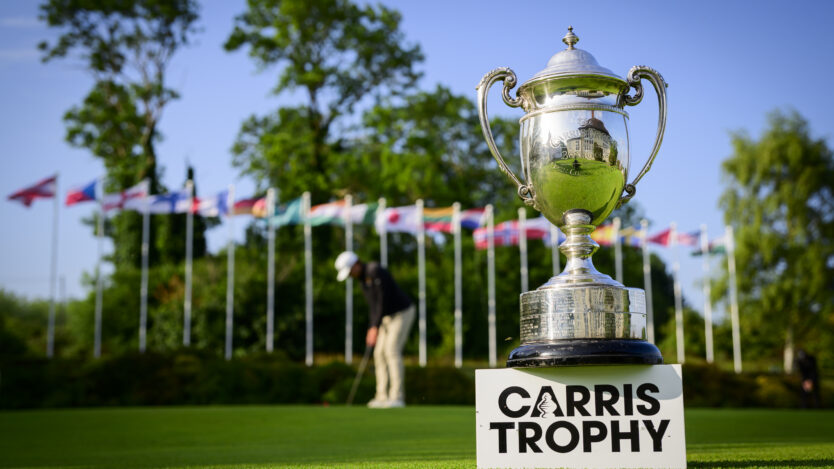
England Golf lauded Luffenham Heath’s delivery of the Carris Trophy. We caught up with Club Manager Tom Sharpe to find out how they did it.
Luffenham Heath’s nomination for Tournament Venue of the Year at the 2026 England Golf Awards is recognition of a championship operation that combined meticulous planning, people-first leadership and a club-wide commitment to excellence when hosting the Carris Trophy.
England Golf praised the Rutland venue for its professionalism, hospitality and flawless delivery across every aspect of the championship, from course presentation and practice facilities to volunteer coordination and clubhouse service. For Club Manager Tom Sharpe, the nomination is a moment that reflects the collective effort behind the scenes rather than any single achievement.
“Having invested a significant amount of time, effort and resources into ensuring this prestigious championship was a success for all involved, the nomination is a touching recognition of the collective contribution made by everyone at the club,” he said. “To be shortlisted for Tournament Venue of the Year is significant in itself, and to win the award would be a real honour.”
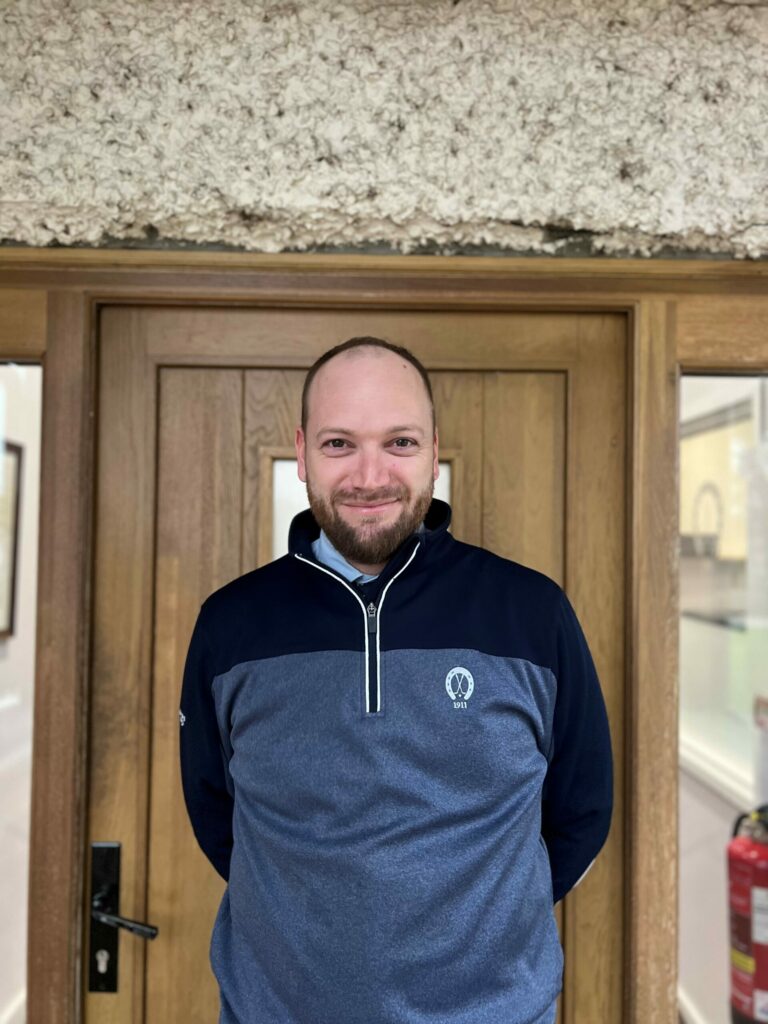
He believes the recognition would be a fitting way to close the chapter on what proved to be a defining week for the club.
“It would reflect how our staff, volunteers and members stepped up at every level and consistently went above and beyond in every aspect of the event’s delivery,” he said. “More than anything, it would celebrate the pride, professionalism and teamwork shown throughout the planning process and during championship week.”
Feedback, both formal and informal, played a central role in shaping how the championship evolved throughout the week. Tom emphasised that Luffenham Heath actively sought input long before the first ball was struck.
“Throughout the planning stages and the many preparatory meetings, we actively encouraged feedback and made a conscious effort to listen, adapt and learn from every situation,” he said. “That open approach continued throughout championship week and allowed us to respond effectively to feedback as the event progressed.”
One area where this approach proved particularly valuable was in the F&B department, where flexibility allowed the club to balance quality, demand and sustainability.
“Practical feedback, particularly in relation to food and beverage provision, enabled us to adapt our offerings during the week,” Tom explained. “This ensured we met demand appropriately, maintained quality throughout the day and kept wastage to a minimum.”
External feedback reinforced that the club’s efforts were landing. Conversations with players, families and officials highlighted the scale of the opportunity Luffenham Heath had embraced.
“Hearing our club described as ‘beautiful’ was extremely rewarding,” said Tom. “But particularly impactful was feedback from those who had experienced many elite amateur events. Comments such as, ‘Having played in all the top championships, this is by far the best championship venue we have been to’, were a tremendous endorsement of the work carried out by everyone involved.”
Internally, the response was just as important. Tom explained: “There was a strong sense of pride in what had been achieved, with many commenting on how supported, informed and valued they felt throughout the process.
“That combination of positive external feedback and internal satisfaction reinforced our belief that the championship had been delivered in a way that reflected the very best of the club.”
Preparation for the Carris Trophy began as soon as Luffenham Heath was confirmed as host, with Tom clear that early structure was essential given the international nature of the field.
“It was imperative that we could ensure the players and their representatives could feel at ease as soon as they arrive at the club and make their visit as seamless as possible. Strategically, everything had to work like clockwork and we made an emphasis on this in the planning.”
Department heads met regularly, with a smaller planning group established to manage operational detail while maintaining clear communication across the club.
“By starting conversations early and maintaining regular, open collaboration throughout the planning process, we were able to align strategy with execution.”
Behind the scenes, the workload extended far beyond what many might anticipate. Volunteer management alone required significant resource.
“This extended well beyond simply filling roles and required a structured approach to acquiring availability, assigning appropriate duties and building daily schedules that ultimately covered more than 250 individual duty shifts.”
Infrastructure, traffic flow and catering also demanded detailed attention, alongside constant liaison with England Golf.
“Where GMs can most easily underestimate the workload is in the cumulative impact of these responsibilities. Individually, each element appears manageable, but collectively they demand early planning, clear communication and a mindset focused on people as much as process.”
More than 100 volunteers supported the championship, a success Tom attributes to clarity, structure and respect.
“To ensure clarity and consistency, we held a full volunteer briefing on the Sunday afternoon prior to the championship,” he said. “Each volunteer received a dedicated volunteer pack, including a clear outline of their role and responsibilities.”
Catering operations were adapted to support long days and an international audience, with healthy options and efficient service flow prioritised.
“One of the standout successes was the introduction of fresh, homemade pizzas, which proved extremely popular. This demonstrated how thoughtful, flexible planning can elevate standards even with limited resources.”
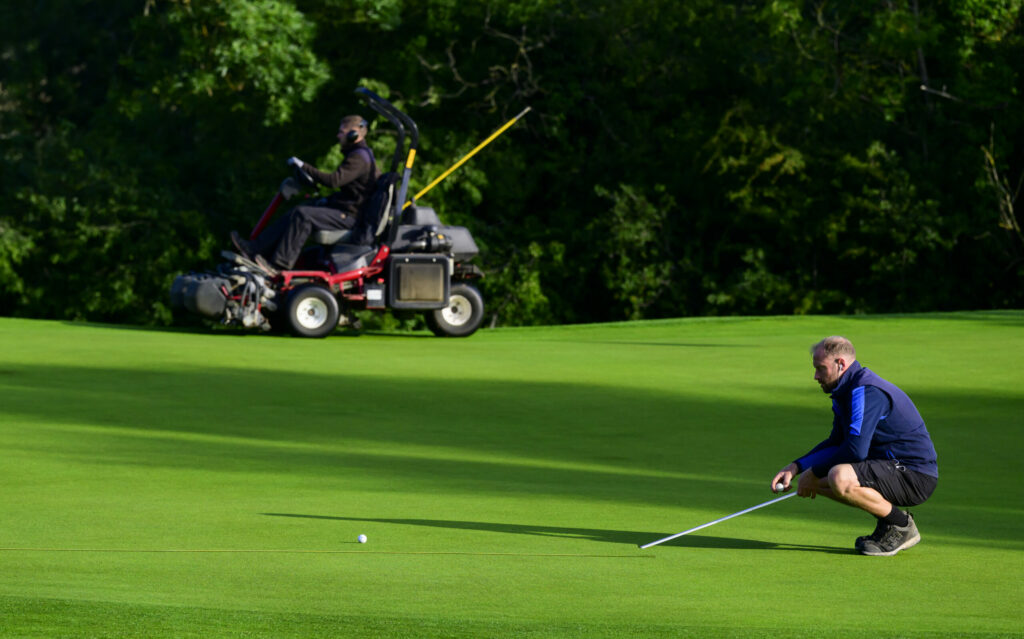
Equally critical was collaboration with the greenkeeping team, led by Course Manager Jonny Peacock.
“A strong working collaboration between club management and the greenkeeping team is absolutely fundamental,” said Tom. “While course presentation is the most visible outcome, it is the trust, communication and shared commitment behind the scenes that truly underpin success.”
Looking back, Tom is most proud of the atmosphere the championship created.
“There was a genuine buzz throughout the week, smiles on faces, and a real sense of shared purpose,” he said. “That pride translated into a welcoming, positive experience for everyone on site.”
Closing with his key advice for fellow GMs whose clubs are set to host major events, he said: “My first piece of advice would be to start planning earlier than you think you need to. In terms of mindset, embrace the opportunity. Events like this are demanding, but they are also a privilege to host.
“Also, lead by example. Be visible, engaged and supportive throughout the process. The tone set by the GM has a direct impact on how the event is delivered, and calm, positive leadership helps ensure that challenges are met with confidence and professionalism across the entire team.”

Key takeaways
- Success is cumulative – it’s the combined impact of logistics, hospitality, communication and leadership that defines tournament delivery.
- Start earlier than feels necessary – early, structured planning reduces pressure and allows strategy and execution to align.
- Volunteers and staff are central, not peripheral – clear communication, support and recognition underpin consistency and morale.