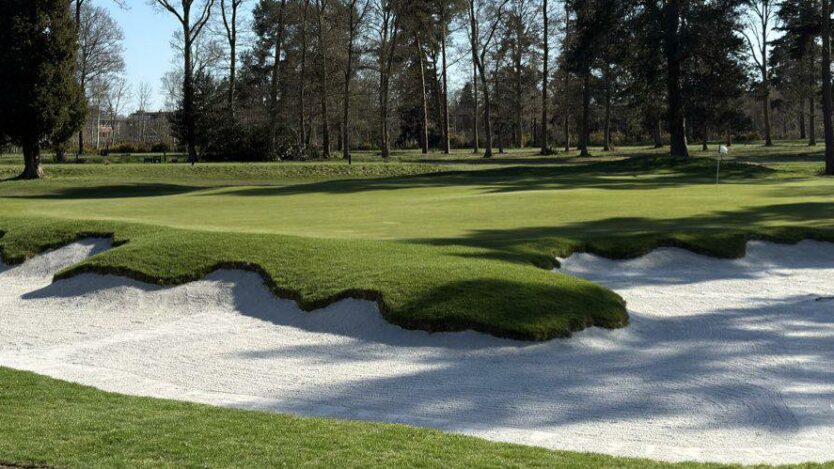
North Hants GM Rob Climas explains how a £2.5m irrigation and bunker project has shaped a 40-year capital plan and future-proofed the club.
North Hants Golf Club has committed to an ambitious long-term planning exercise, with a new 40-year capital plan designed to secure the club’s future.
This article is part of GCMA Insights – topical content for golf industry professionals, discussing the things that matter to those who work in golf clubs.
The process was prompted by a major project last winter, which saw the completion of a £2.5 million irrigation and bunker upgrade led by architect Tom Mackenzie. The work included reducing the number of bunkers from 76 to 50, as well as installing new irrigation around approaches, greens, run-offs and tees.
General Manager Rob Climas said the club wanted to ensure short-term improvements would remain aligned with a longer-term vision.
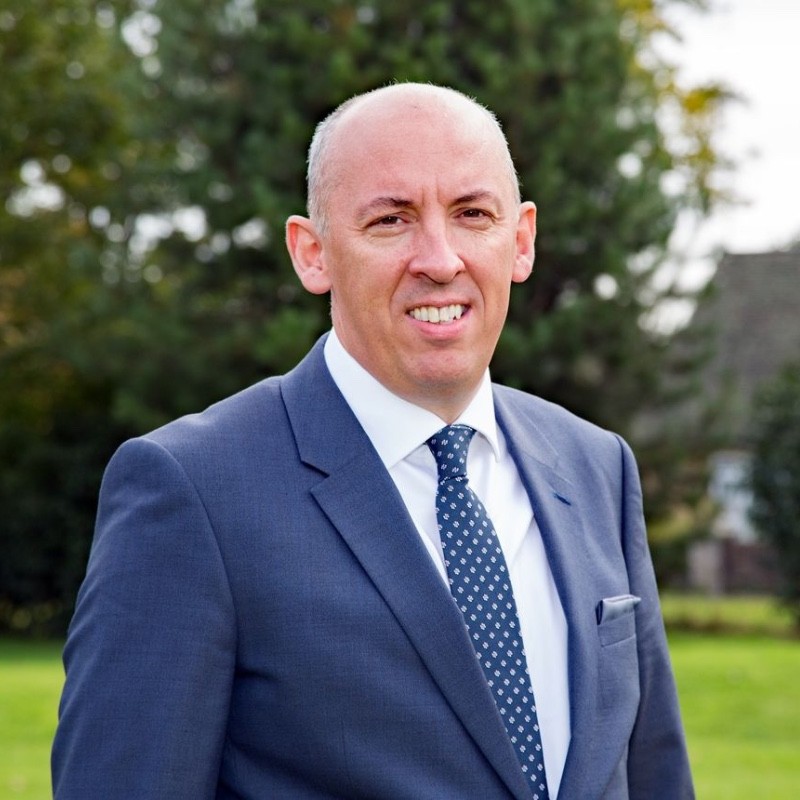
“We engaged with Tom Mackenzie, who produced a master plan for us, which came with a hefty investment price tag of around two and a half million pounds,” he explained on the Golf Club Talk UK podcast. “We wanted Tom to come up with a design that would make the course as good as it possibly could be as a starting point. Then, as a club, we had the discussion about where we would start and what was affordable. The need was irrigation, but also bunkers.”
The decision to begin with the course infrastructure has helped shape how the club approaches planning and investment more broadly.
Get involved in the debate.
To join the GCMA, click here, or to organise a call with a call with a member of the GCMA team, just complete the form below.
“We’re just going through that process at the moment, renewing our club strategy, and we’re actually now looking 40 years ahead,” said Climas. “That’s been driven by this irrigation and bunker upgrade, because we’ll need to set aside funds to go through the same process in 25 years’ time.
“What it does is influence our decisions around subscriptions now, because it’s not just about setting the rate to run the club today, it’s about having enough funds to set aside for those future investments.”
He added that the focus on long-term planning is underpinned by a clear commitment to members.
“It’s about doing those things that improve the members’ experience and, over the long term, that makes the club more successful, more attractive and also more financially successful,” he said. “Everything starts with improving the experience for the members and the visitors and, over time, that makes the whole business more viable and sustainable.”
WHY JOIN THE GCMA?
Membership of the GCMA unlocks a network of like-minded professionals, provides you with support in your professional and personal development, and provides you with a multitude of benefits. Whether that’s the tools that will help you to excel in your profession, or a wide range of services to support your wellbeing, signing up to the GCMA is joining a community.
While the work on bunkers and irrigation has provided immediate benefits to the course, the decision to align with Mackenzie’s wider master plan means future projects, such as a proposed re-angling of the par-three 15th hole, can be tackled without undoing existing investment.
As Climas put it: “We kind of started with the end in mind – where do we want to end up? – and then went back to the beginning to decide where to start.”
Key takeaways
- Treat capital projects as part of a master plan, not standalone fixes, to avoid costly rework in future.
- Long-term planning should be directly linked to subscription and revenue decisions made today.
- Prioritising member experience creates both immediate satisfaction and sustainable financial health over decades.
By Mark Shanley