
Ben Driver explains how member focus groups can uncover recurring themes and build meaningful dialogue.
Member feedback can find its way to you through a variety of channels – a curt email, an overheard comment in the clubhouse, or perhaps when you’ve been accosted in the car park.
At Royal Blackheath, CEO Ben Driver wanted to create a more structured way to hear from members and identify themes before issues escalate. The result was a member focus group designed to capture a broader cross-section of opinion while also opening a more constructive dialogue between the club and its membership.
Driver explains how the idea came together and what other managers might take from the experience.
How did the idea of the focus group come about?
The idea came from a shared desire between the Board and myself to create a more structured way of hearing from members outside formal governance channels. Like most clubs, we receive feedback through many informal routes, but that can sometimes mean hearing the loudest voices rather than a broad cross-section of opinion.
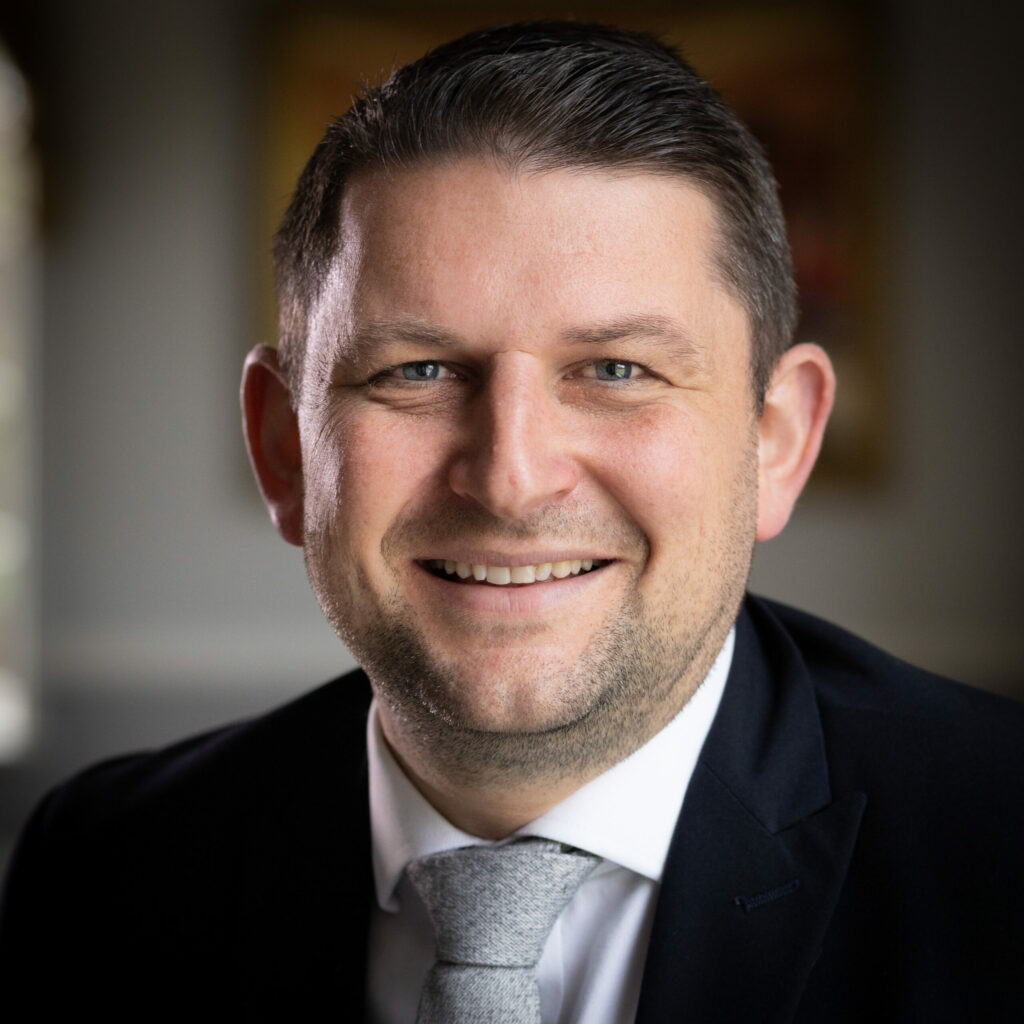
We agreed it would be valuable to create a forum where members could discuss themes around the member experience in a constructive way, while also giving me the opportunity to explain some of the context behind how the club operates. I then led on establishing the group and inviting expressions of interest from members across different sections of the club.
In many ways, it’s about creating a structured space to listen properly before issues arise, rather than only hearing from members when something has gone wrong.
How did you structure the session to keep it focused and constructive?
Structure and expectations were key. We ran a 90-minute session with three pre-agreed topics rather than leaving the floor open. I facilitated the discussion and made it clear that the aim was to surface themes and priorities, not resolve individual issues.
We also set some simple ground rules at the start – respectful discussion, listening to different views, and focusing on the overall member experience rather than specific incidents.
How many members attended and who was there from the club?
We invited expressions of interest and had just under 40 members volunteer. For the first meeting, 25 members attended, which proved to be a very workable number. The group included members from a range of age groups, handicaps and areas of the club.
I chaired the meeting and it was deliberately a member to CEO discussion rather than a large management presence. Board members, committee members, Club Captain and Captain of the Ladies were not part of the group, as they already have formal routes to contribute through governance structures. The intention was to create space for a broad cross-section of members to share perspectives in a constructive way.
What did you learn from the discussion about member priorities and expectations?

One of the most useful insights was the distinction between individual opinions and recurring themes. When you create a structured space to listen, patterns emerge quite quickly. Across different topics, members consistently came back to three things: consistency, first impressions, and ensuring the club lives up to the standards set by its heritage and reputation.
Another key takeaway was the level of goodwill in the room. Members were not simply highlighting problems; they were expressing a genuine desire for the club to succeed and reach its potential. That kind of conversation is very different from the feedback you sometimes hear informally around the clubhouse. At a historic club like Royal Blackheath, members understandably feel a strong sense of stewardship, which makes conversations about the club’s future particularly valuable.
What are the main benefits of doing something like this?
The biggest benefit is structured listening. It allows you to hear themes and perspectives that might not otherwise surface through day-to-day conversations. It also creates a two-way dialogue – members gain a better understanding of why certain decisions are made and the constraints clubs operate under.
How often will you be doing this?
Our intention is to meet quarterly. That feels frequent enough to maintain momentum, but with enough time between meetings to reflect on themes and ensure discussions remain strategic rather than operational.
How do you ensure this is seen as something worthwhile rather than box-ticking?
This is really crucial to me and within five days of the meeting I shared a summary of themes with both the Board and the focus group members. Over time, the test will be demonstrating that the insights inform thinking and decision-making where appropriate. It’s not about implementing every suggestion, but about showing that members’ perspectives are genuinely considered.
How do you see focus groups complementing formal governance structures?
Committees and boards remain central to decision-making and the focus group doesn’t replace that. It simply provides an additional source of qualitative insight into member sentiment and experience, which can help inform those governance discussions.

What advice would you give to other GMs or CEOs considering a similar approach?
Keep it structured, keep it constructive, and be clear about its purpose. It shouldn’t become a forum for operational complaints or decision-making. The aim is to surface themes, priorities and build understanding between members and the club.
If those expectations are set clearly from the outset, it becomes a very valuable tool. If members feel genuinely heard, even when decisions don’t go their way, the relationship between club and membership becomes far healthier.
Key takeaways
- Create structured opportunities to listen rather than relying solely on informal feedback.
- Set clear expectations and ground rules so discussions remain constructive and strategic.
- Close the loop quickly by sharing themes and demonstrating that member feedback is being taken seriously.