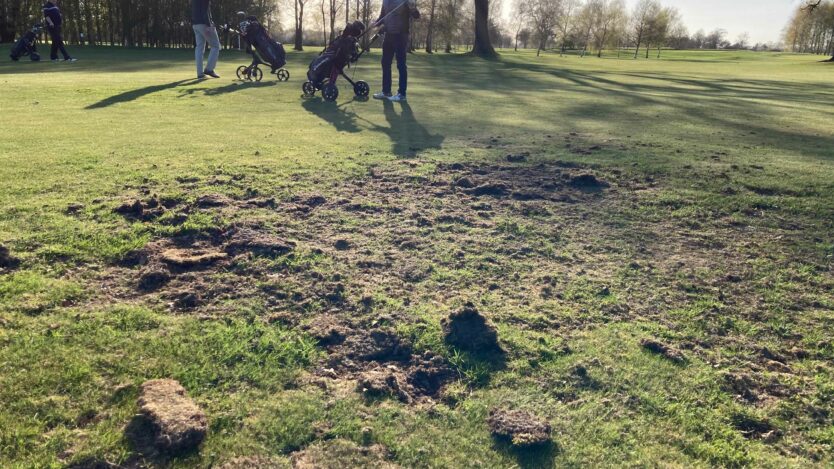
Leatherjackets and chafer grubs – and the predators who hunt them – caused huge damage to courses all over GB&I two years ago. Could it happen again?
This article is part of GCMA Insights – topical content for golf industry professionals, discussing the things that matter to those who work in golf clubs.
They are the tiny pests that can devastate our golf courses. When they aren’t damaging the roots of grass plants on our greens and fairways, they’re attracting predators that can strip the turf like a digger.
Two years ago, leatherjackets, along with chafer grubs, caused carnage at courses all over the UK after chemicals that previously kept them in check were largely removed and perfect weather conditions allowed them to flourish.
But though the damage was severe, it was by no means a one-off. A 2020 survey from turf experts Syngenta revealed that – of the 400 courses managers who responded – only one per cent of their layouts had reported no damage from the insects.
They can make their presence really known just as our club competition seasons get into gear but what’s on the cards for 2023? And is there anything your hard-working greenkeeping teams can do to combat them? We take a look..
Get involved in the debate.
To join the GCMA, click here, or to organise a call with a member of the GCMA team, just complete the form below.
What are leatherjackets and chafer grubs?
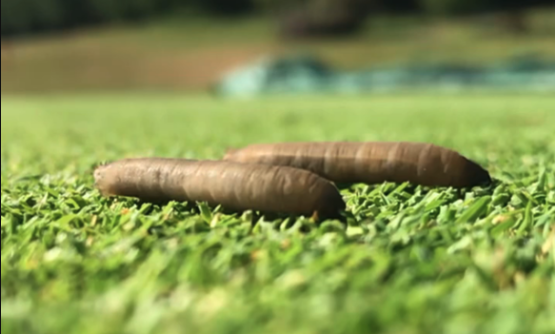
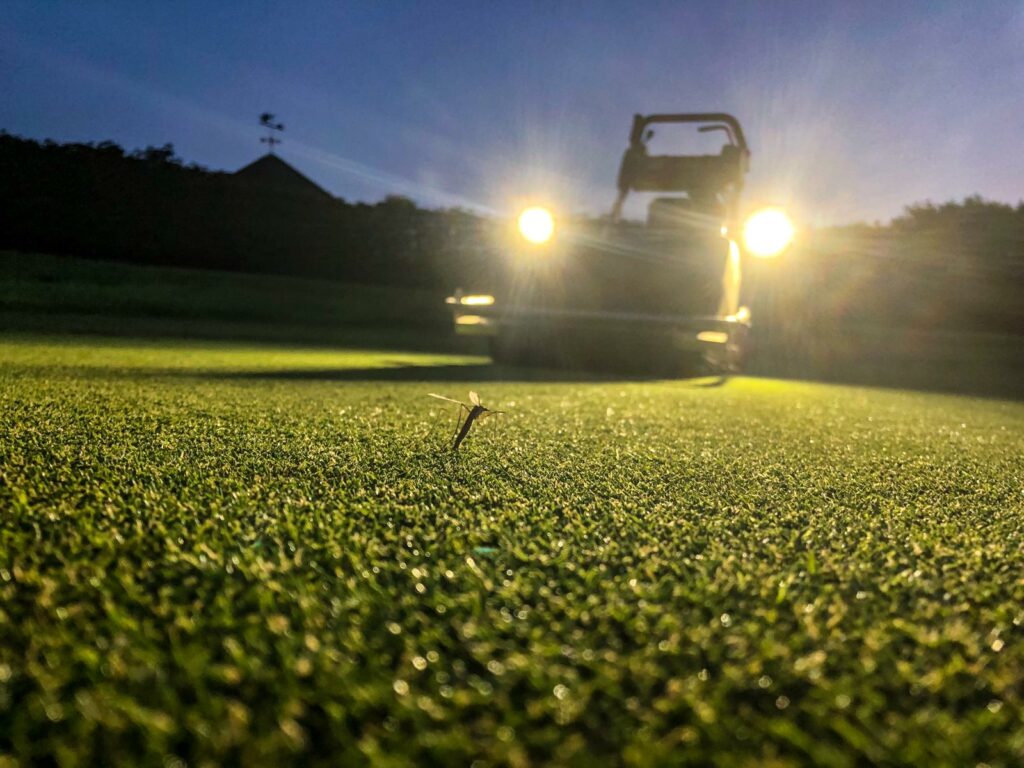
Leatherjackets are the larvae of the cranefly, while chafer grubs are the larvae of the chafer beetle. Typically, leatherjackets thrive on heavier clay dominated soils and cause damage mainly to greens, while chafer grubs prefer free draining sand dominated surfaces and can cause damage to wide areas of the golf course such as fairways and roughs.
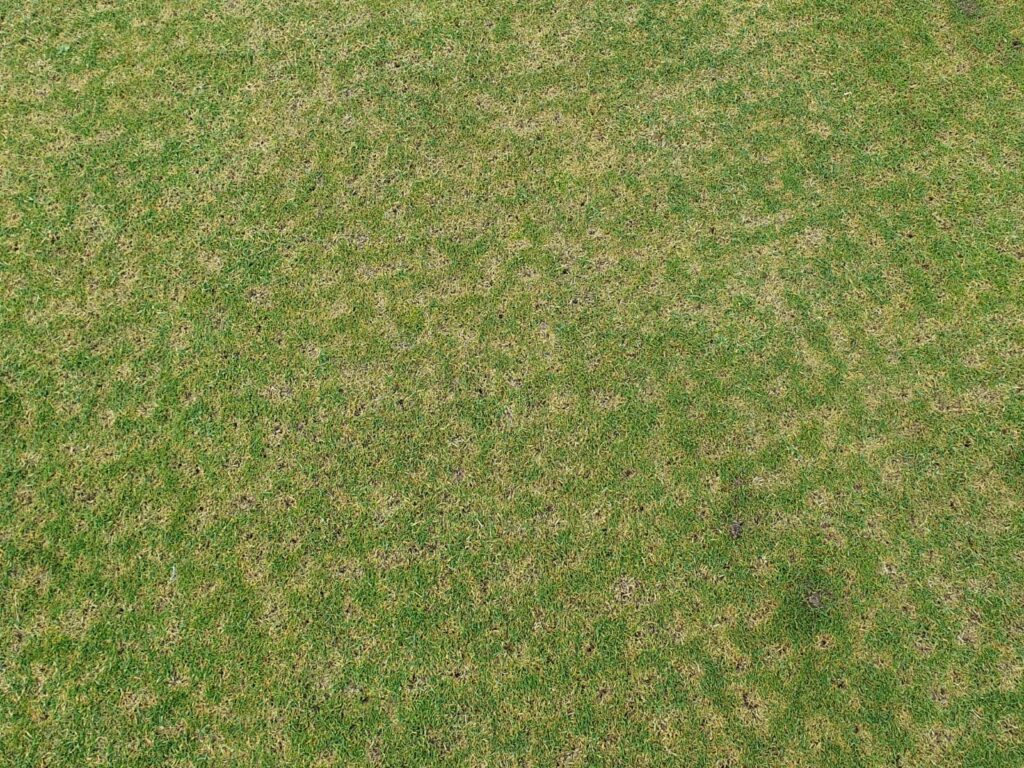
Both feed on the roots of the grass plant, meaning the turf can’t take up nutrients and can cause it to weaken or even dieback. The weaker turf and natural food source also makes the turf very vulnerable to damaging bird and animal foraging.
What is the situation right now?
We asked Glenn Kirby, technical support at Syngenta for Europe, to give us an overview of how the industry is currently seeing the leatherjacket and chafer grub issue this year.
He said: “Heat and droughts were at record highs in summer 2022. Droughts may have led to higher mortality rates of the leatherjacket larvae in unirrigated areas.
“This doesn’t mean complete reduction – these are insects that have evolved over thousands of years to cope with different climates and survive around the world In many different climates.
“But it’s highly likely populations are lower this season, and the reported cranefly hatch of Autumn 2022 reflected that, with course managers reporting lower amounts of cranefly sightings than the previous three years.
“They report back through “PestTracker,” a Syngenta initiative to help golf course managers improve application timings of our preventative control products.”
Chafers are relatively hardy to drought and weaker turf from the summers drought may leave us vulnerable in unirrigated areas and we’re already receiving some reports back from industry confirming this.
Kirby also believes the unusual cold snap we saw at the start of December may also have an impact on leather jacket population numbers.
He explained: “After the cranefly lay, the milder it is, the healthier the larvae are and more able to survive the colder soil temperatures later in the winter.
“The juvenile leather jacket is at its most vulnerable after the eggs hatch in the early “instar” phases. 2022 saw an unusually cold start to December (coldest since 2010), which may have halted their development, in some situations reducing survival rates.”
What might happen this spring?
That all seems like good news but, while optimistic about the coming months, Kirby is naturally cautious. “Turf is capable of sustaining low levels of leatherjacket activity and still providing good quality putting surfaces,” he added.
“The challenge comes for putting surfaces when the population is so high that it overpowers the turf or we have a cold spring that doesn’t enable the putting greens to “outgrow” the feeding that is taking place.
Wider areas that suffered weakened turf from 2022’s drought may well be at risk of damaging animal attacks who are searching for food if we get a cold spring.
“It’s quite a dynamic and fluid state of affairs, but I’m fairly confident that this spring, leatherjacket population levels will be lower than previous years. But you can never rely on the British weather to deliver what’s needed.”
WHY JOIN THE GCMA?
Membership of the GCMA unlocks a network of like-minded professionals, provides you with support in your professional and personal development, and provides you with a multitude of benefits. Whether that’s the tools that will help you to excel in your profession, or a wide range of services to support your wellbeing, signing up to the GCMA is joining a community.
Are there any chemical solutions clubs can use?
The removal of pesticides containing the active ingredient chlorpyrifos – which has been described by the World Health Organisation as “moderately toxic to humans” – and products that include the similarly active imidacloprid had previously left courses largely defenceless against explosions in numbers.
Some clubs expected to be badly affected were able to call on an emergency use of Acelepryn, pioneered by Syngenta, applied at times that coincided with egg hatch and initial larval activity.
But Kirby says a breakthrough is on the imminent horizon.
He explained: “Insecticides for sports turf have been limited to emergency authorisations for the last four years, but a full product registration is now imminent, with final details being confirmed currently.
“The challenge with modern insecticides is that they must be used in the Autumn when the leatherjacket is at its most vulnerable. This leaves the course manager with very little control if a cold spring hits us.
“A robust leatherjacket control program will involve many different strategies, including:
- Use of chemistry in high pressure and high-risk areas in the autumn as a preventative measure.
- Increasing bird populations (such as Starlings) to reduce leatherjacket populations.
- Good turf health to ensure the grass plant is as resilient as possible to maximize the chance of delivering a good surface. This could be nutrition or other measures such as removal of trees that cast shade or reduce airflow to improve growing conditions.
- Small scale monitoring during the winter to establish Spring strategies.
- Spring sheeting in areas of high pressure (large-scale sheets to pull the pest to the surface).
- Bird and animal scaring strategies.
“As we move into the future, industry is looking at even more integrated strategies, looking at the role of beneficial nematodes (microscopic worms) to help in the battle.
“Our research has shown that when you start to integrate strategies and actions together, and get the timing right, it is possible to make a significant impact on leatherjacket populations.”
So there is light at the end of the tunnel?
We can feel optimistic this year about our greens but, as Kirby pointed out, even a dramatically reduced leatherjacket population can still cause significant problems on golf courses in the right circumstances.
We may still need to keep our fingers crossed. He said: “The journey to great spring putting surfaces is a complex one, reliant on many strategies, and hoping the British weather helps out.”
This article is part of GCMA Insights – topical content for golf industry professionals, discussing the things that matter to those who work in golf clubs.
Get involved in the debate. To join the GCMA, click here, or to organise a call with a member of the GCMA team, just complete this form and we’ll be in touch!
Enquiries
"*" indicates required fields