Duncan Marshall explains why investing in new facilities for West Surrey’s greenkeeping team was a no-brainer.
West Surrey’s major investment in upgraded greenkeeping facilities has delivered a modern, purpose-built working environment for the team responsible for maintaining the club’s most important asset.
The project, delivered on time and within budget, reflects a growing recognition across the industry that staff welfare is central to long-term performance.
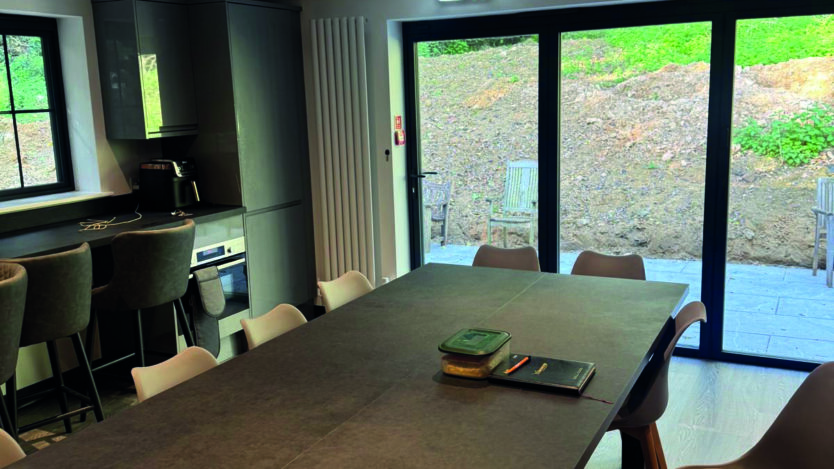
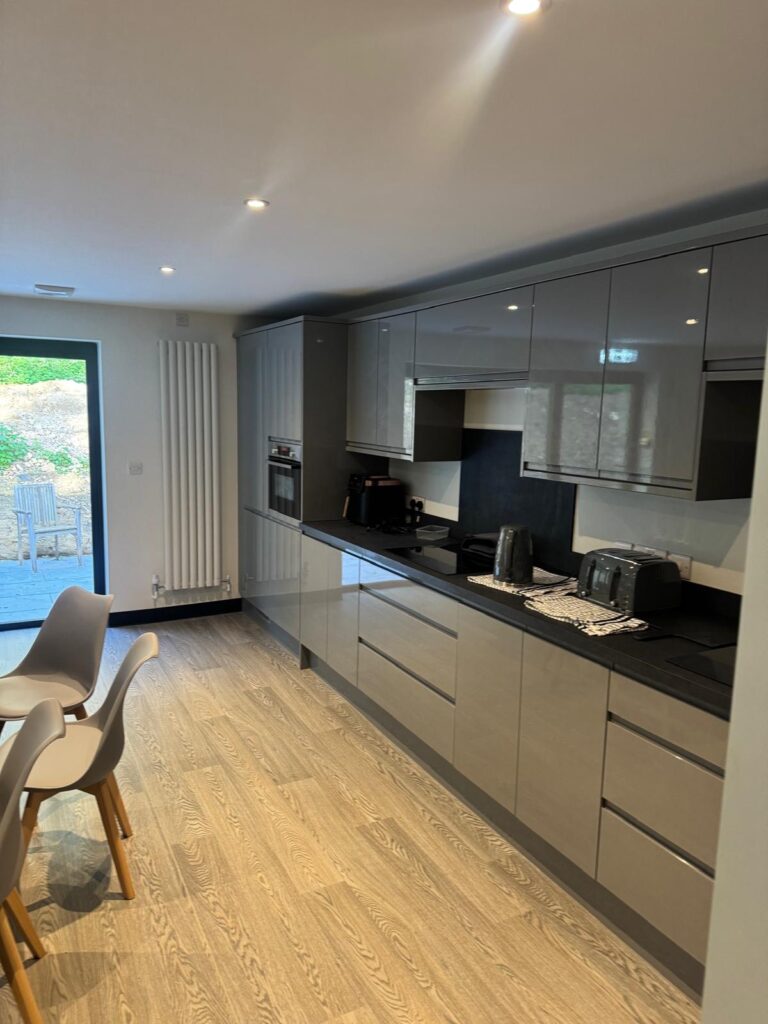
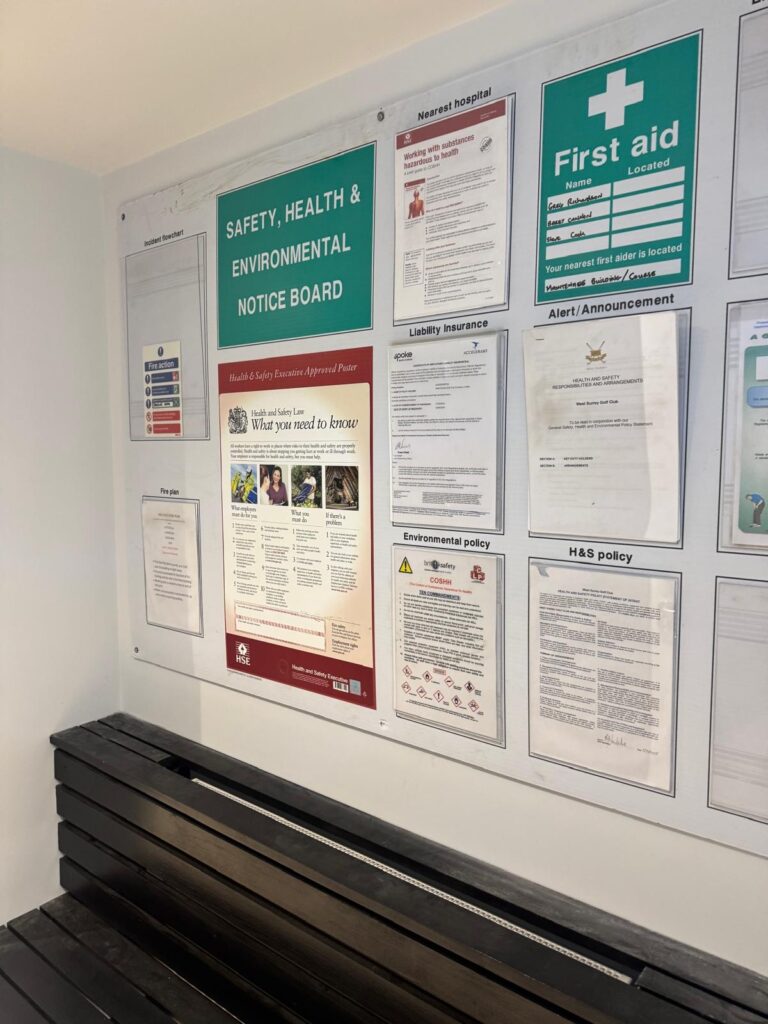
The redevelopment included a complete refurbishment of Course Manager Alec MacIndoe’s office, a new drying room, fully rebuilt changing facilities with showers, toilets and lockers, alongside expanded welfare provision with kitchens, communal space and an outdoor area designed for the whole team to use.
For Club Secretary Duncan Marshall, the project represents an essential investment not just in bricks and mortar, but in people.
“The facilities needed investment and it was something I noted when I first arrived at the club,” said Duncan.
“A club of West Surrey’s stature and level should have facilities for its staff to match. This was a project we were keen to deliver and there was clear alignment on that.”

That clarity removed any ambiguity around whether the project should happen, allowing the focus to shift quickly onto how it would be delivered. Members required no persuasion that it was a necessary undertaking.
“We took them around the compound once, explained the improvements we would be making, and to a man they were absolutely on board with it. Once people understood the benefits and the difference it would make to our greenkeeping staff, it was a very straightforward conversation.”
The link between the quality of facilities and the strength of the team is central to the rationale. In a competitive labour market, particularly for skilled greenkeepers, the working environment plays a defining role.
“The competition for greenkeepers is fierce. You want to get good people to come and work here, and you know what the levels are. When you look at other clubs who have invested, you realise how important it is. Having things that these guys can enjoy and be proud of is really key to recruitment and keeping people on board at the club.”
While financial return is often a key consideration in capital projects, the benefits here are more long-term and less easily quantified, but no less valuable.
“The return on the investment is the staff happiness and the longevity in the team that we have. We’ve got apprentices coming through who are showing excellent promise and experienced guys we see long-term futures for. The requirement to recruit will hopefully be minimal because you’ve got a really strong, settled group.”
The build phase was completed smoothly by local building company Trademark, with strong collaboration and minimal disruption beyond the unavoidable short-term challenges.
“They were fantastic. It was a period where Alec and I were both off work, and it ran without our oversight each day. They took on the responsibility themselves, which was great. There was a bit of pain during the build as it rained throughout while the team were in a temporary cabin, but those memories are short-lived and made the move to the new facilities all the better.”
Now complete, the impact is already being felt across the team, both in day-to-day routines and in wider club culture.
“The cleanliness and comfort has gone through the roof. They all have their own routines, they sit together as a team and enjoy their breaks. It’s also given us an opportunity to mix teams more and get people more interested in what the greenkeepers do. It’s created a much better environment all round.”
The broader lesson is not tied to one project, but to a mindset around investments that yield quality-of-life benefits for staff.
“The more you can do to make the spaces the best for your team, the happier they’re going to be. Competition is growing out there, and clubs need to be aware of that. Getting this done has been incredibly positive for us.”
Key Takeaways
- Investment in staff welfare facilities directly underpins recruitment, retention and team performance
- Clear leadership is required to prioritise operational needs alongside member expectations
- Visibility, planning and futureproofing are critical to delivering successful capital projects