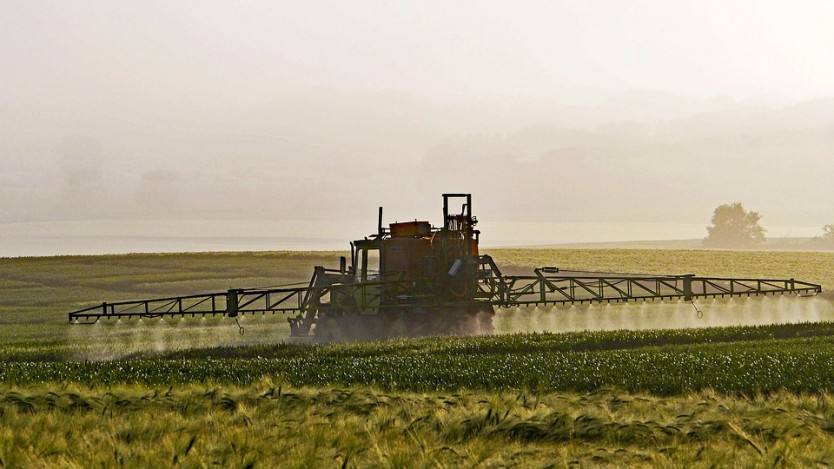
Clubs could find themselves in the grip of a grub epidemic following a pesticides ban. But, as Steve Carroll reveals, there are ways course managers can fight back.
“I’m genuinely worried about what to expect next winter.” “Golfers will need to be more understanding.” “They will have to accept disruption at some point.” If greenkeepers like these are concerned, then clubs should be too.
The removal of pesticides that have been the primary way turf managers – and not just on golf courses – controlled two particularly hostile insects has the potential to be a “game changer” according to industry experts. We’ve been a coddled lot over the last few years. Advances in technology have revolutionised the way a course can be presented.
“But when it comes to the putting surface, that’s where you will really see the problems”
Greenkeeping has become a science, rather than an art. Today’s practitioners are highly educated and highly skilled. And so expectations have risen. The Augusta syndrome, where members come out of hibernation in April expecting their course to be as lush and green as that corner of Georgia, is just one example.
But the removal of pesticides that contain the active ingredient chlorpyrifos – described by the World Health Organisation as “moderately toxic” to humans – could force us all to dampen our expectations. These products, which also include Merit Turf with the similarly acting ingredient imidacloprid, had been the primary weapons in dealing with the twin problem of leatherjackets and chafer grubs. These two insects, or their larvae more specifically, might soon be keeping greenkeepers awake at night.
What are leatherjackets?
A leatherjacket is the larvae of the cranefly. They lays eggs in the soil, the larvae hatch out and feed on the roots of the grass plants. The plant is unable to take up nutrients and moisture. It stresses the plant and can cause it to dieback. The secondary problem is that birds and mammals, such as badgers, dig up the turf to feed on the larvae.
“It is not always the direct damage caused from the actual grub which causes the most disruption,” says BIGGA’s sustainability executive James Hutchinson. “Badgers, crows, rooks, foxes and many other animals will peel turf back to expose the underlying grubs – this fauna practice causes the most damage and repairing these areas can be costly and time consuming.”
The ban came into effect around 12 months ago but it was only as late as last November that turf managers could no longer legally apply certain products. By that time, the egg laying cycle for both insects had been completed and so, potentially, it is this year that we will really see the impact on our courses. There is the danger of badger populations carving up fairways to get at the grubs, and causing extensive damage.
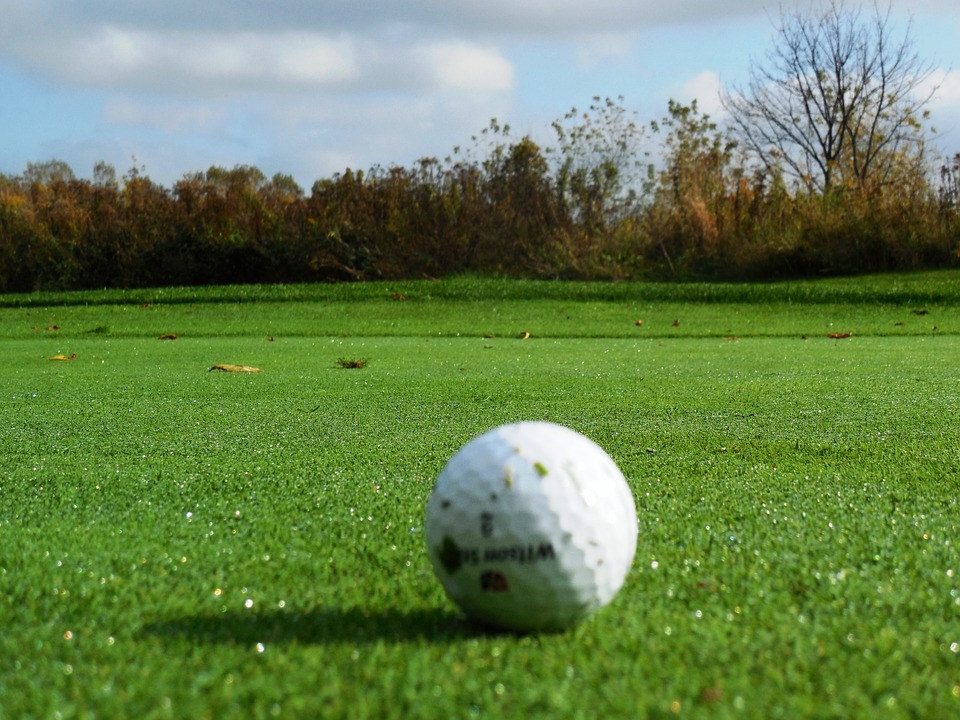
But, believes Dr Colin Mumford, technical support manager at Bayer CropScience, it’s on the greens where we might see a profound difference. “It’s not so bad on fairways,” he explains. “A club could introduce the pick, wipe and place local rule. But when it comes to the putting surface, that’s where you will really see the problems. The surface performance characteristics – a smooth uniform ball roll – are going to be affected. You will get uneven surfaces so the playing quality on a green could be affected quite significantly if a population emerges – and it’s usually leatherjackets on greens. You can literally have hundreds of thousands in one green.”
The knock on effects could be significant. Clubs may have to allocate more manpower to areas where there are infestations to protect turf damage. How will it impact on winter maintenance programmes? Will bunker projects be forced on to the back burner?
What are chafer grubs?
They are the larvae of the chafer beetle and do exactly the same damage as the leatherjackets. They have stout, white, bodies which curve into a C shape and can grow to 3/4of an inch long. Typically, leatherjackets thrive on clay dominated soils while chafer grubs prefer sand dominated soils. As with leatherjackets, it’s the secondary damage from birds and badgers that cause the major issue on golf courses. Dr Mumford states: “A fairway can look like a ploughed field overnight if you are unfortunate to have a high population and numbers of badger sets.”
Managers are going to have to care for their turf in a slightly different way, believes Mumford, to try and counter the threat. “There are a number of strategies they can employ,” he advises. “For instance, knowing the pest lifecycle will help the greenkeeper to gain control. For example, if you can allow the soil to dry out, a large proportion of the eggs will desiccate and become unviable. It’s a simple cultural practice but you can only do that in a dry year.”
Deep scarification, slitting and heavy rolling can also have an impact in deterring populations from choosing a site to lay their eggs. Then there are nematodes – microscopic worms that invade and conquer when the insects are still at the larvae stage.
“We are communicating with the wider golf industry to ensure golfers and facilities are aware of the forthcoming issues”
Hutchinson explains: “It is imperative that the correct nematode or product is chosen as certain types are parasitic on grasses which, as a consequence, cause no end of issues to the course manager.”
“Insecticides have to go through a regulatory process, so the manufacturer has to show a minimum amount of control that can be expected,” adds Mumford. “With an insecticide, or any pesticide, you know you are going to get guaranteed and a minimum amount of control. With nematodes, there are no such guarantees.”
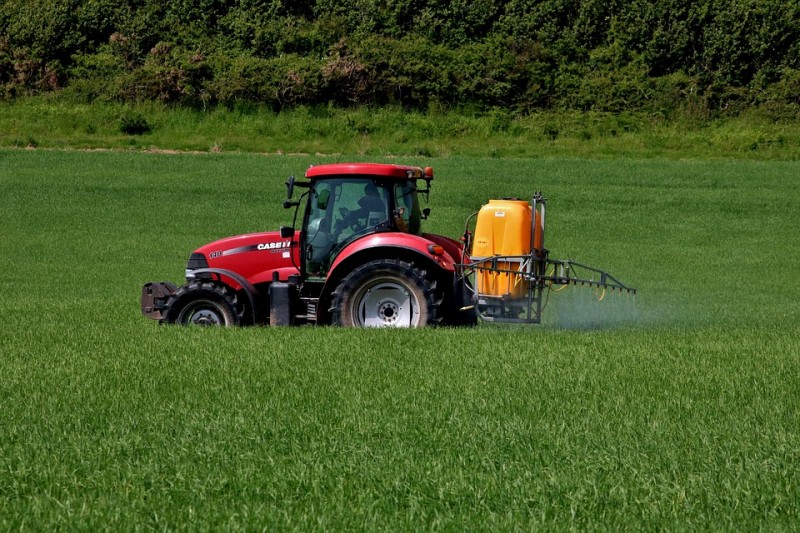
But Mother Nature has a few further tricks up her sleeve, says Hutchinson. “Many courses have long been attracting grub-eating birds to their site, including starlings, blackbirds, thrushes, lapwings and oystercatchers. These types of birds have beaks designed to penetrate the grass and pull out the grubs in the soil with minimal damage to the turf.”
Ultimately, as Mumford says, the key is getting this information across to members so they know it’s not a case of course managers and greenkeepers not doing their jobs properly. “Their hands are tied behind their backs because of a lack of the tools they once used. Golfers need to start accepting and tolerating some disturbance to their surfaces.”
Easier said than done. But the scientists are working on new products that won’t fall foul of the regulatory standards. In the long term, the people in the lab coats will make new advances. In the meantime, BIGGA are on hand to help their members – and educate the wider industry – about what they can expect to see in the coming months and years.
What about fungicides?
Pesticides are not the only chemicals to have been removed from the market over the past 12 months . There are now fewer products available to turf managers to treat microdochium patch (or fusariumas it is more widely known). It’s the most prolific disease in the UK– occurs to some extent on more than 90 per cent of UK golf courses during a year – and causes the scarring you might typically see on greens during the winter. Bayer, however, used BTME at Harrogate to launch Exteris Stressgard – the first new fungicide chemical group to be introduced for a decade. In fact, it’s a whole new category of fungicide, Succinate DeHydrogenase Inhibitor.
As Hutchinson declares: “We are working with the industry to identify suitable alternative methods of control or prevention and we are a major part of the Amenity Forum which acts to influence legislation in our sector. Additionally, we are communicating with the wider golf industry to ensure golfers and facilities are aware of the forthcoming issues and are in a position to support their greenkeepers. Finally, we are providing our members with the communication skills and materials to effectively explain to their employers and customers the impact of the legislative changes.”
This article was first published in The Golf Club Manager – the official journal of the GCMA. If you would like to receive the journal, either join the GCMA today, or subscribe to the magazine.
By GCMA